AI Investment Boom Could Become 2026’s Most Overlooked Inflation Risk
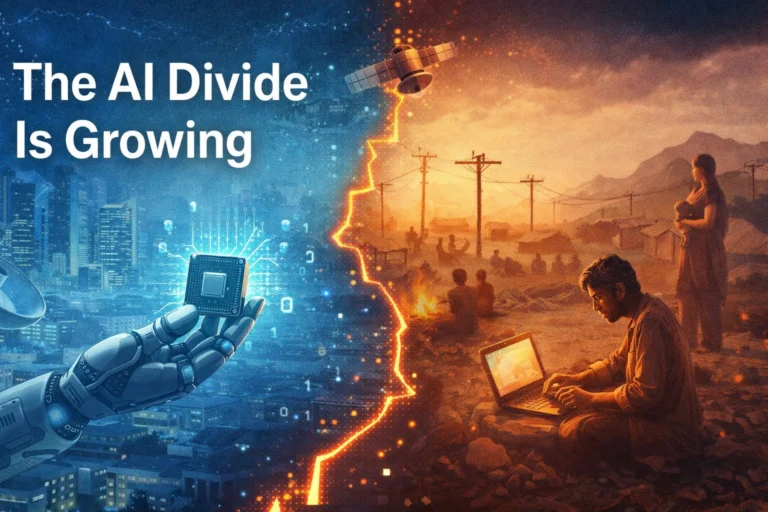
As enthusiasm around artificial intelligence (AI) drives markets to new highs, a growing chorus of investors is warning that heavy AI spending could trigger inflationary pressures in 2026 — potentially reshaping macroeconomic dynamics, corporate profits and monetary policy.
Why This Matters
In the first weeks of 2026, global equities have remained resilient, fuelled by optimism around AI-linked innovation and expectations of continued interest rate cuts. However, analysts now caution that the massive capital expenditure on AI infrastructure — including data centres and advanced semiconductors — is contributing to rising input costs, which may reignite inflation and force central banks to rethink policy strategies.
Key Developments
AI-Driven Price Pressures: Analysts at Aviva Investors and Mercer highlight that ongoing incentive spending by governments and hyperscale tech investment are likely to push key cost components — such as chips and energy — higher, placing upward pressure on consumer and corporate prices.
Monetary Policy Implications: Rising inflation expectations could prompt central banks to pause or reverse rate cuts, increasing borrowing costs and altering risk appetites for tech investments.
Market Implications: Heavy AI investment — even as markets remain buoyant — has investors watching valuations closely. Some strategists are reallocating to inflation-protected assets or considering downside risk scenarios.
Expert Insight
Increasing capital expenditure on AI infrastructure — from hyperscale data centres to specialised compute chip production — means that firms are absorbing rising costs, which can ripple through the supply chain and feed into consumer inflation. If central banks see inflation rising above target levels, this could affect rate decisions, market liquidity, and tech valuations going forward.
Looking Ahead
Even as the AI revolution continues to reshape business models and productivity expectations, this emerging inflation conversation indicates that market optimism needs to be balanced with macro risk awareness. For policymakers and investors alike, inflation could become the defining challenge of 2026.