India Steps Up Its EV Transition: DST–TDB Funds Indigenous EV Charger Commercialization
The Government of India has approved funding for indigenous EV charger commercialization, marking a major push toward Atmanirbhar Bharat, sustainable mobility, and youth-led clean-tech innovation.
A Crucial Move Toward Clean Mobility
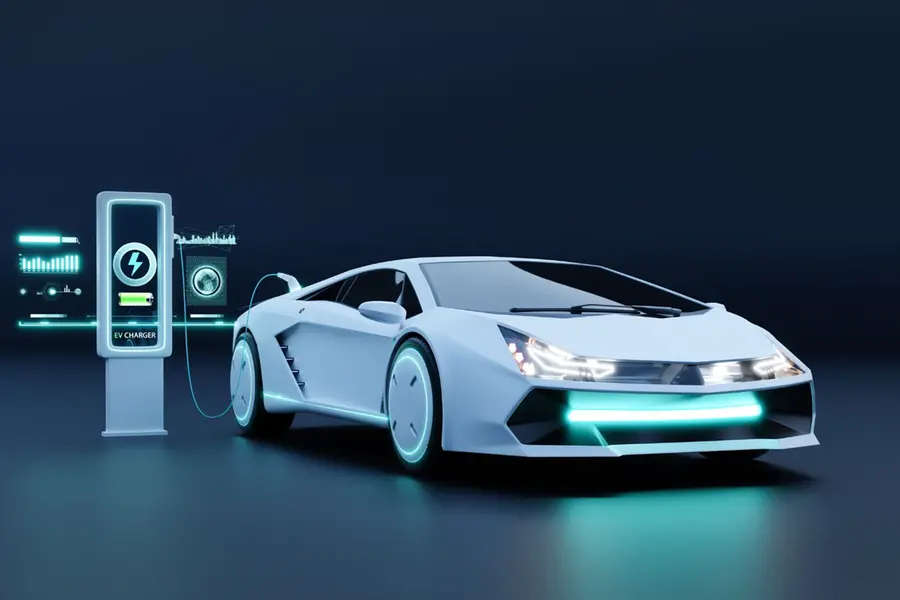
India’s EV ecosystem has expanded rapidly in the last five years, but one gap remained stubborn — charging infrastructure. To accelerate EV adoption, the Technology Development Board (TDB) and Department of Science & Technology (DST) have backed the commercialization of locally developed EV chargers.
This is a strategic investment aimed at reducing import dependence and building a resilient domestic clean mobility ecosystem.
Why Indigenous EV Chargers Matter
1. Cutting Import Dependency
India imported a significant share of EV charging equipment till now. Indigenous chargers mean:
- Lower costs
- Better customization
- Local jobs
- Improved quality control
- Faster installations
2. Rural and Tier-2/3 EV Infrastructure
The most underserved areas in India are rural districts and smaller towns. Indigenous chargers can be:
- Mass-produced
- Low-cost
- Solar-powered
- Easily maintainable by local technicians
This expands EV access beyond urban elites.
EV charging in rural India can power:
- E-rickshaws
- Farm logistics vehicles
- Electric two-wheelers
- Rural transport services
- Cold-storage and agri-supply chains
Tech & Innovation Impact
The government’s funding will boost:
- High-efficiency power electronics
- Smart charging systems
- IoT-enabled monitoring
- Plug-and-play chargers
- Unified payment platforms
- Grid-load management technologies
Local startups and engineering institutes will benefit significantly from this push.
Sustainability Angle
India’s clean mobility targets include:
- Reducing transport emissions
- Lowering dependence on fossil fuels
- Expanding renewable-powered charging
Solar-integrated chargers, supported under this scheme, can slash lifetime emissions dramatically.
Youth & Startup Ecosystem Benefits
This funding opens doors for:
- Hardware startups
- Battery-tech innovators
- Rural EV entrepreneurs
- Skill-development opportunities
- Local manufacturing units
It can create thousands of jobs, especially in semi-urban and rural districts.
The Quantiq View: India Advantage
India is on the brink of a clean mobility revolution. The DST–TDB initiative gives the country a crucial technological edge by enabling local manufacturing, youth-led innovation, and inclusive growth.
The future of India’s EV sector will be powered not just by big automakers but by homegrown innovators, small towns, and rural entrepreneurs building the next wave of green mobility infrastructure.