Maharashtra’s Green Revolution: Bamboo Policy 2025 to Create 5 Lakh Jobs and $6 Billion Opportunity
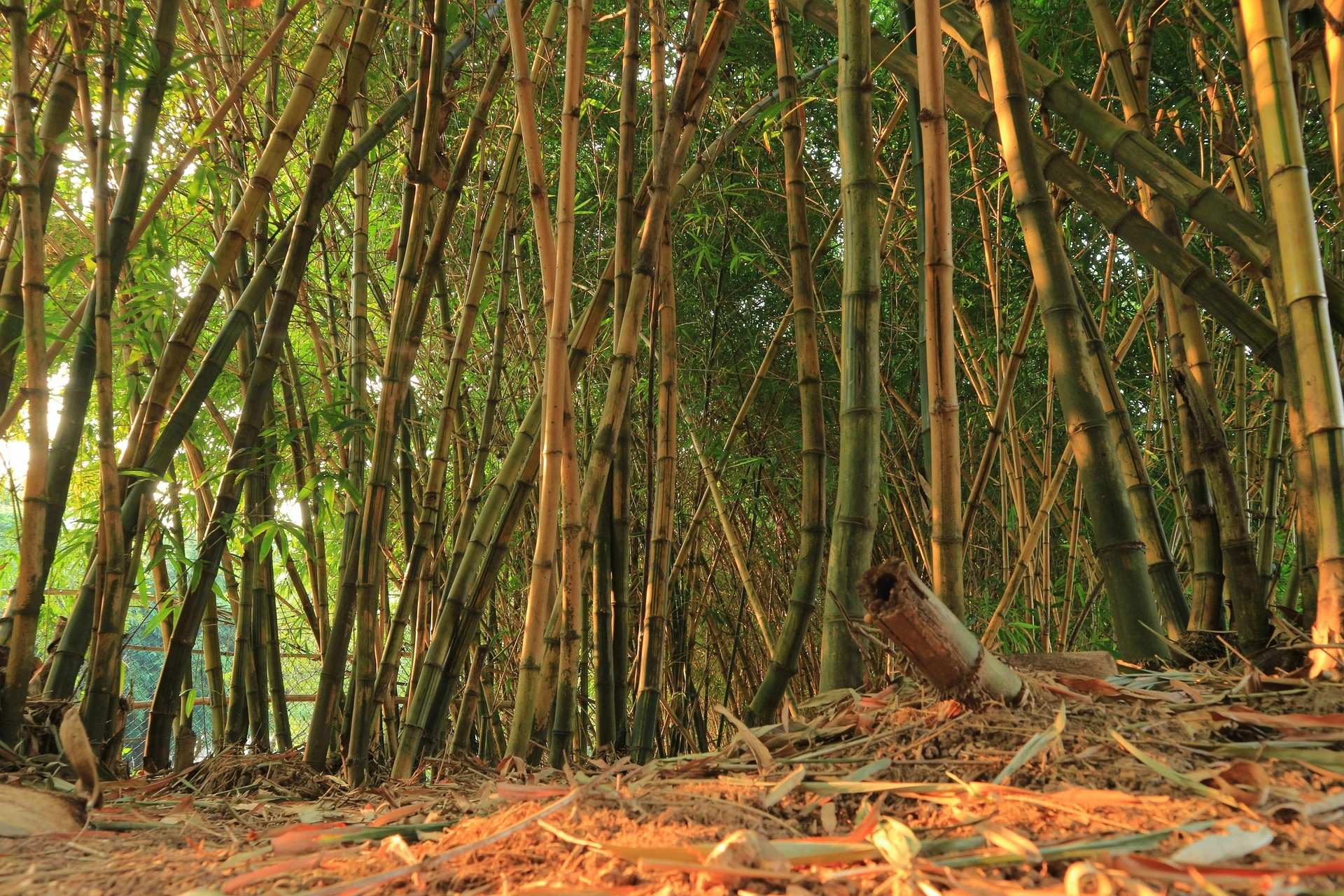
In a landmark move that blends sustainability with inclusive growth, the Maharashtra Cabinet has green-lit the Maharashtra Bamboo Industry Policy 2025—an ambitious blueprint to position bamboo as a strategic growth engine for rural employment, green energy, and industrial transformation.
The policy aims to mobilize ₹50,000 crore (approximately US $6 billion) in investments and generate over 500,000 jobs in the next decade. This initiative signals Maharashtra’s intent to transform bamboo from a traditional forest resource into a high-value industrial commodity—popularly referred to as “green gold”.
Maharashtra already ranks third in India for bamboo cultivation area. With the bamboo sector projected to grow into a US $88 billion global market by 2030, the state’s policy sets the stage to become a major global player.
The Strategic Blueprint: Key Pillars of the Policy
1. Boosting Cultivation and Farmer Income
- Sustainable Income: The policy promotes bamboo cultivation on both farmland and wasteland through schemes like Mahatma Gandhi National Rural Employment Guarantee Act (MGNREGA), ensuring farmers a steady, eco-friendly income.
- Farmer Empowerment: Bamboo Farmer Producer Organizations (FPOs) will be formed to enable collective bargaining, training, and quality planting material access.
- Contract Farming: Structured contracts will guarantee prices and assured markets, reducing risk and encouraging large-scale bamboo farming.
2. Industrial Infrastructure for Growth
- Bamboo Clusters: 15 dedicated bamboo clusters will be established in strategic locations like Amravati and Bhandara. These hubs will anchor processing, design innovation, and skill development.
- Common Facility Centres (CFCs): Centralized CFCs and Micro CFCs in remote areas will support post-harvest treatment, processing, and artisan integration into formal markets.
- Tech-Driven Value Chain: The policy integrates GIS mapping, AI tools, drone monitoring, and tissue culture technology to enhance efficiency and quality control across the value chain.
The Job Engine: 500,000 Opportunities Across the Value Chain
| Sector | Example Roles | Type of Employment |
| Cultivation & Harvesting | Plantation workers, nursery technicians, farm managers, harvesters | Direct, Rural |
| Primary Processing | Treatment & seasoning workers, loggers, graders | Direct, Industrial |
| Secondary & Tertiary | Furniture makers, craft artisans, engineers for engineered products, plant ops. | Direct, Skilled/Industrial |
| Services & Ancillary | Logistics, marketing & sales, R&D, vocational trainers | Indirect, Service Sector |
The cluster-based approach ensures industrial activity and employment growth in underserved districts, while MCFCs uplift artisan communities by linking traditional crafts with global markets.
Economic Incentives and Funding
- Financial Incentives: Subsidies on interest, power, and stamp duties will make bamboo enterprises cost-competitive.
- Venture Capital Fund: A ₹300 crore VC fund will support bamboo startups, MSMEs, and technology innovators.
- Long-Term Budgetary Commitment: ₹1,534 crore has been sanctioned for the first five years (2025–2030), with larger allocations planned over a 20-year horizon.
- International Collaboration: The Asian Development Bank will support a ₹4,271 crore Bamboo Development Project to strengthen FPOs and training systems.
Bamboo: A Climate Ally
Bamboo’s exceptional carbon sequestration capability makes it a natural ally in India’s climate action goals.
- Carbon Credits: Bamboo cultivation on fallow and government land will generate carbon credits, adding a new revenue stream.
- Bio-Energy: The policy promotes using bamboo biomass in thermal energy projects, targeting a 5–7% integration to reduce fossil fuel reliance.
- Timber Substitute: Engineered bamboo products will help curb deforestation by replacing conventional wood.
Challenges and the Road Ahead
- Market Perception: Bamboo must shed its image as “poor man’s timber” through branding and high-end product promotion.
- Skill Development: Large-scale technical training is needed to match the modernized value chain’s demands.
- Supply Chain Efficiency: Streamlined logistics, standardized raw material treatment, and smart infrastructure are critical for long-term viability.
The Maharashtra Bamboo Industry Policy 2025 is more than just an industrial strategy—it’s a green economic revolution in the making. By intertwining climate resilience, job creation, and industrial modernization, the state is setting a benchmark for how natural resources can be leveraged to build a sustainable, inclusive, and globally competitive economy.
Bamboo may well be the cornerstone of India’s green industrial renaissance—and Maharashtra has made its first decisive move.