Piggman, piggery and potential: reshaping North-East entrepreneurship
Across India’s diverse food economy, meat consumption has never been uniform — it reflects deep regional, cultural, and historical patterns. For large parts of the North-East, pork is more than protein: it’s identity, tradition, and everyday taste. Yet for decades, the piggery and pork retail ecosystem operated in an informal space, defined by backyard rearing, small local slaughterhouses, and supply chains that lacked transparency. That meant unpredictable quality, limited livelihoods, and little scope for scale or brand-led retail.
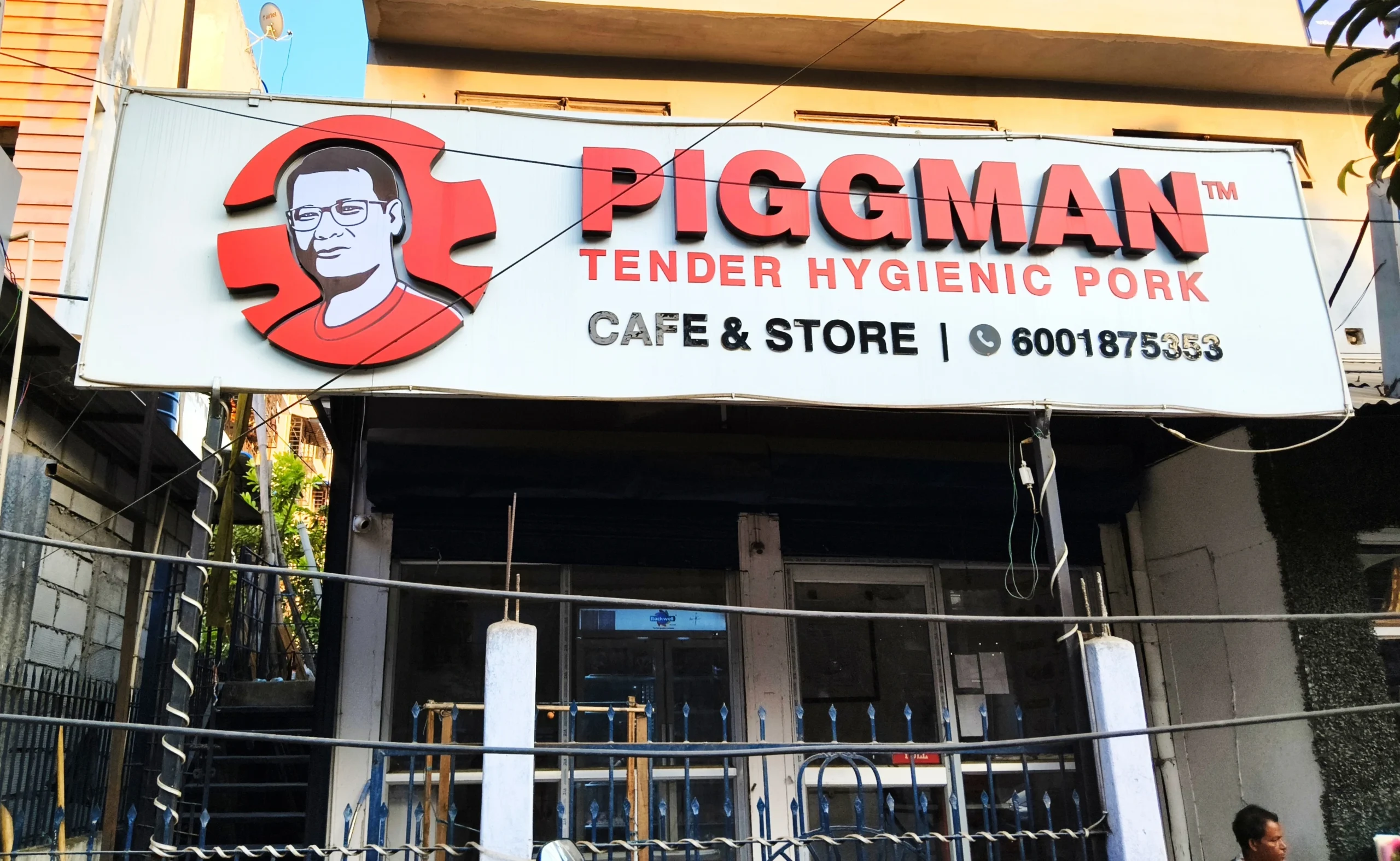
Now, with the rise of organized food retail and an expanding appetite for convenience and hygiene, there is an opportunity — and the brand Piggman is seizing it. Piggman isn’t selling novelty. It’s delivering confidence: clean, traceable, high-quality pork, available in ready-to-cook and ready-to-eat formats — through formal storefronts and franchises.
The macro context: Why now makes sense
According to a recent market study, India’s processed pork meat market is valued around ₹5,400 crore and is expected to grow at a CAGR of roughly 10–11% in coming years — a clear sign of rising demand for convenience, organized supply and retail-ready packaging.
While pork remains a minority in India’s meat mix, the regional composition changes the picture. The latest livestock census data show that the North-East accounts for roughly 38–47% of India’s pig population. In Assam alone, there are well over 1.6 million pigs — nearly 16% of the country’s total pig population. This represents both a supply base and a long-standing tradition of pork consumption.
But production and processing have rarely kept pace with demand. Informal systems, lack of cold-chain infrastructure, and limited hygiene standards have kept pork largely out of organised retail. As a consequence, the value — for farmers, retailers, and consumers — remained latent.
Why Piggman’s model stands out
From The Quantiq’s lens, Piggman’s franchise model is significant not just as another food-retail brand — but as a structural play on northeast India’s latent comparative advantage.
- Proven demand + cultural fit: The North-East already consumes a disproportionate share of India’s pork. Piggman taps into a ready market that values pork deeply.
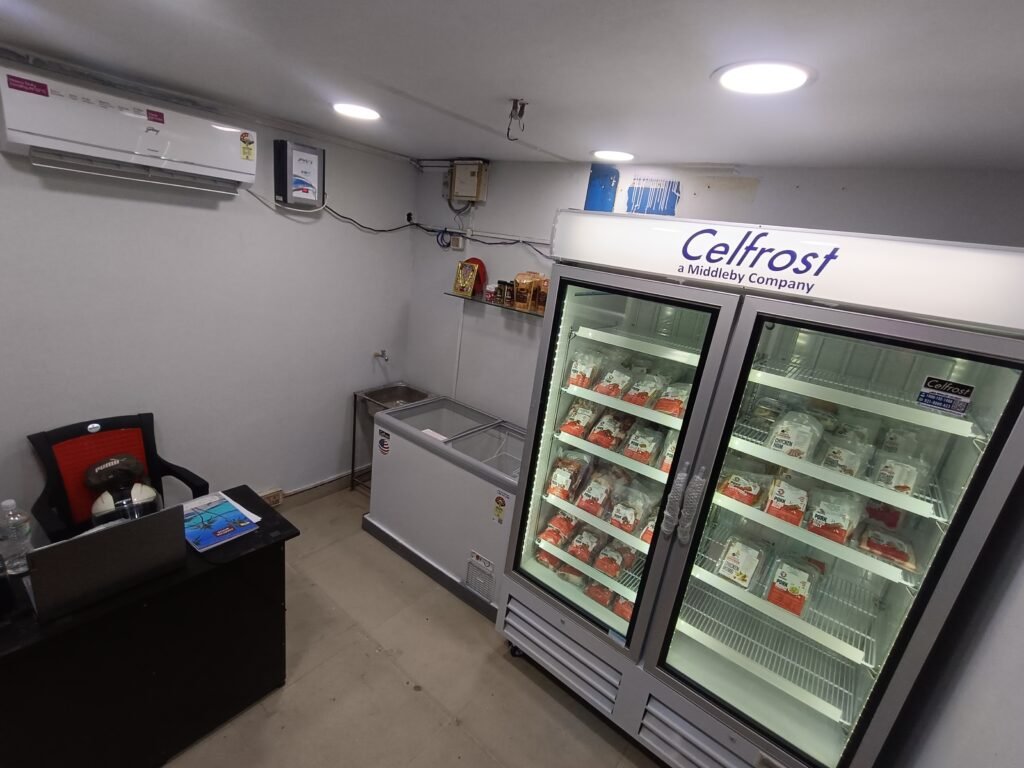
- Organised supply & traceability: By sourcing from established farms, using global-standard breeds (Yorkshire, Duroc, Landrace, Hampshire, etc.), Cold-chain handling, and modern processing, Piggman raises the quality — and consumer trust — beyond what informal supply chains offer.
- Low-barrier entry for entrepreneurs: The franchise model demands relatively modest capital — small-format stores (≈ 120–150 sq ft), brand support, supply logistics and minimal inventory risk. For first-time entrepreneurs, that’s a manageable leap.
- Potential for value-added growth: With processed meat demand rising, ready-to-eat (RTE), ready-to-cook (RTC), and smoked/specialty pork products open revenue streams beyond raw meat. This kind of product mix meets urban tastes while preserving Northeast flavors.
- Livelihood & ethical sourcing angle: Given that a large share of piggery in the region is smallholder-based, a brand-led model can provide stable demand, fair pricing, training and a formal value chain — supporting livelihoods while ensuring quality.
Challenges and caveats — but also opportunities
No growth story is without friction. The Indian pork sector faces several structural issues:
- Despite rising processed-pork demand, pork still accounts for a small fraction of overall meat production — in 2021–22, pig contributed just 3.18% of total meat production in India. That means market expansion depends on converting demand — not just volume — and persuading new consumers to shift towards pork.
- Much of the traditional pig population is indigenous and low-yielding. According to recent regional studies, while the North-East accounts for a big share of pig numbers, much of it is non-descript breed with modest yield — limiting scalability unless cross-breeding or improved farming practices are adopted.
- The supply chain is fragile. Disease outbreaks, inadequate veterinary care, uneven feed availability and logistical limitations (lack of cold-chain, scattered abattoirs) remain persistent risks.
- Market education & consumer perception: Outside the North-East and niche urban pockets, pork consumption is limited by cultural and dietary habits. Organised players will need to overcome preferences, perceptions and distribution gaps to grow beyond core regions.
However, these challenges also represent opportunity: by professionalizing piggery — through improved breeds, reliable veterinary care, and modern cold-chain — brands like Piggman can build a differentiated, premium product. And for entrepreneurs, that differentiation can translate into sustained margins.
What’s at stake — and what’s possible
If the organized processed-pork market in India grows as projected, it can unlock substantial value — not just for retailers, but for smallholders, farm workers, logistics providers, and urban consumers seeking safe, traceable meat. For the North-East, this could mean a shift: from subsistence or informal pig-rearing to a structured, brand-led value chain.
For first-time entrepreneurs today, the threshold is low. A small store, brand backing, steady supply — and alignment with regional taste. For investors or social-impact backers, there’s a chance to create livelihoods, formalize supply chains, promote food safety — and tap into a growing market.
For consumers, the promise is simple: high-quality pork that carries the stamp of hygiene, traceability and convenience.