WEF Puts ‘Brain Capital’ at Centre of Global Economic Agenda — India Urged to Act Fast
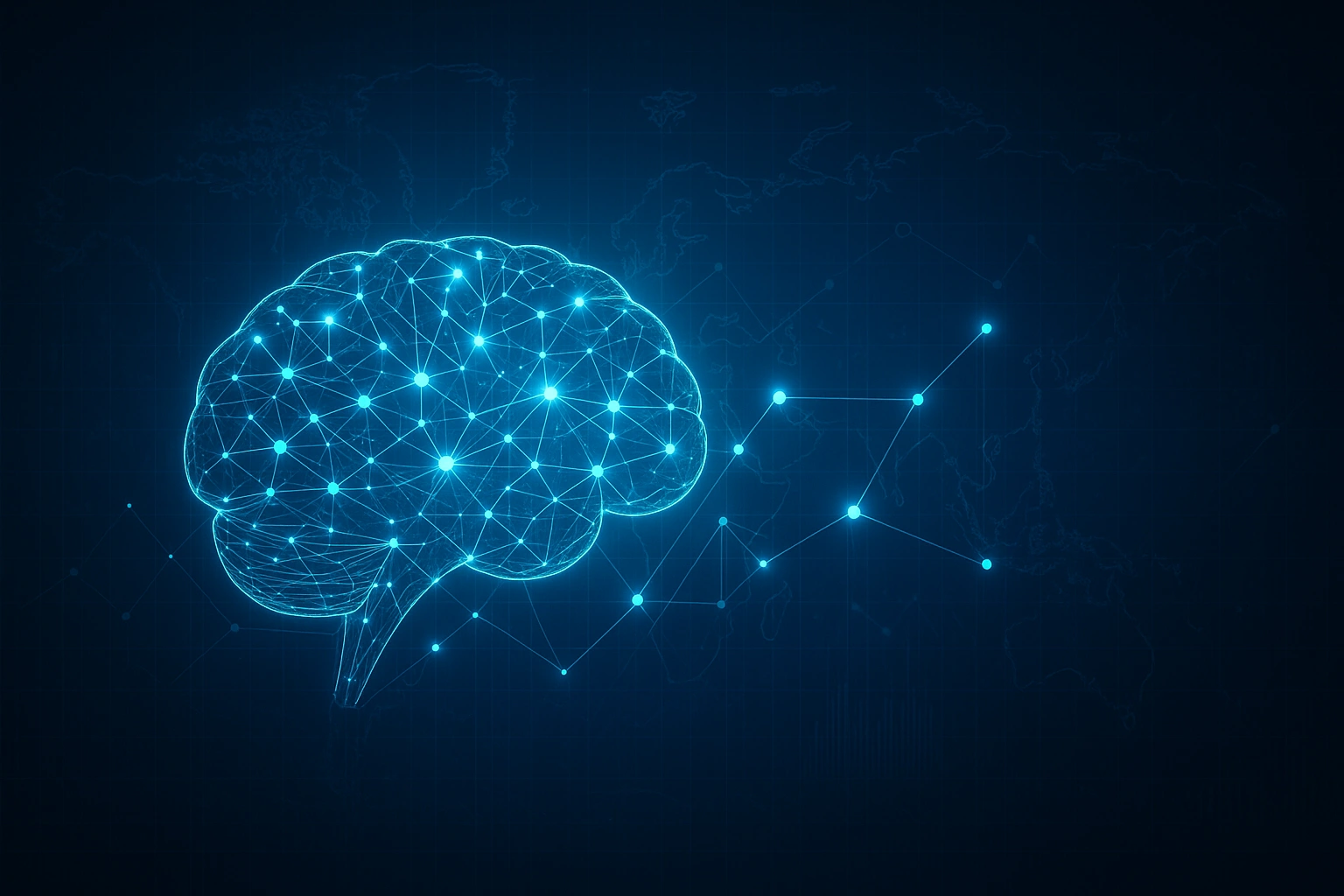
At the 2025 World Economic Forum in Davos, global leaders placed an unexpected priority at the top of the economic agenda: Brain Capital — the combined cognitive, emotional, and mental well-being of individuals that directly drives productivity, innovation, and national competitiveness.
The World Economic Forum, in partnership with the McKinsey Health Institute and the OECD, launched the Brain Economy Action Forum, signalling a shift from merely recognising mental health challenges to actively mobilising governments, investors, and businesses.
According to WEF estimates, mental and neurological disorders cost the global economy over $5 trillion annually, while half of the emerging job skills identified for 2030 fall under “brain-intensive” abilities such as analytical thinking, creativity, resilience, and emotional regulation.
The new framework pushes for brain health and future skills to be embedded into public policy, workplace design, education systems, and investment decisions. A Global Brain Capital Dashboard is also under development, aiming to measure a country’s brain capital just as central banks track GDP and inflation.
Why This Matters for India
India — home to the world’s youngest population — stands to gain significantly from the global shift, but also risks falling behind without decisive action.
Experts warn that stress, anxiety, burnout, and limited access to mental health care could erode India’s demographic advantage. Meanwhile, industries report widening skill gaps in creativity, problem solving, and AI-enabled work — competencies central to the new “brain economy.”
Business leaders are also under pressure. Gen Z workers increasingly value workplaces that prioritise psychological safety, balanced workloads, and mental well-being. Investors are expected to introduce brain-wellbeing indicators as part of ESG reporting.
A New Economic Frontier
Global partners — including the G7, UN agencies, and neuroscience institutes — are calling for brain capital to become a formal pillar of economic planning. Davos 2025 marked a turning point, with the WEF signalling that future economic strength will depend as much on cognitive capacity as on physical or digital infrastructure.
India, analysts say, has an opportunity to lead — if it integrates brain health into education, workforce development, corporate governance, and national policy.
The Brain Economy Insights Report will be presented at Davos 2026, outlining how countries can transition into this emerging economic paradigm.