
Why Early Diagnosis Saves More Money Than It Costs: The Economics of Preventive Healthcare in India
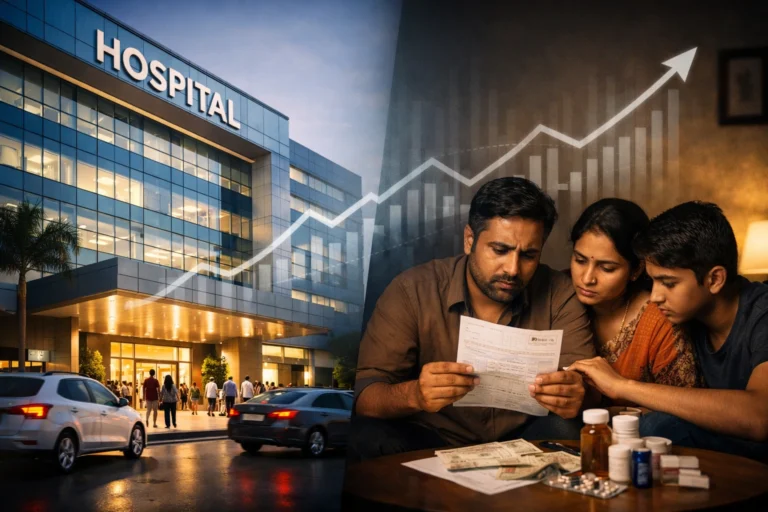
In India, healthcare decisions are often driven by urgency rather than planning. Most people visit a doctor only when symptoms become difficult to ignore. By then, what could have been managed with minimal intervention often turns into prolonged treatment, high costs, and emotional stress.
Early diagnosis is not just a medical advantage—it is an economic one. Yet, preventive healthcare continues to be undervalued across income groups.
The Hidden Cost of “Waiting It Out”
A common belief persists: if nothing hurts, nothing is wrong. Unfortunately, many lifestyle-related conditions progress silently.
Diseases such as diabetes, hypertension, cardiac ailments, and even certain cancers often show no early symptoms. When detected late, treatment becomes more complex, more expensive, and more disruptive to everyday life.
The cost here is not limited to hospital bills. It includes:
- Lost workdays
- Reduced productivity
- Long-term medication
- Emotional strain on families
- Financial instability, especially for middle-income households
Preventive screening, by comparison, is predictable, affordable, and manageable.
Early Diagnosis as Financial Risk Management
From an economic perspective, preventive healthcare functions much like insurance. A small, planned expense today reduces the risk of a large, unpredictable expense tomorrow.
Routine health check-ups help:
- Detect conditions at an early stage
- Reduce the need for invasive procedures
- Shorten recovery time
- Lower lifetime treatment costs
For working professionals and self-employed individuals, this also means protecting income continuity and career momentum.
The Broader Economic Impact
When large sections of the population suffer from preventable illnesses, the impact extends beyond individual households.
At a national level, delayed diagnosis contributes to:
- Increased healthcare burden
- Strain on public health infrastructure
- Workforce inefficiencies
- Rising insurance premiums
Preventive healthcare, therefore, is not just a personal choice—it is a systemic necessity.
Technology Is Lowering the Entry Barrier
The adoption of digital health tools is making early diagnosis more accessible than ever before.
- Affordable diagnostic packages
- Teleconsultations
- Wearable health trackers
- AI-assisted screening tools
These technologies reduce cost, save time, and encourage regular monitoring—especially among younger and tech-aware populations.
Rethinking Healthcare Spending
The question is no longer whether preventive healthcare is affordable. The real question is whether ignoring it is.
Early diagnosis saves money, protects livelihoods, and improves quality of life. In an economy driven by productivity and participation, preventive healthcare must be viewed as a long-term investment rather than a discretionary expense.
This article is part of The Quantiq’s Health Intelligence coverage. A comprehensive Health Dossier examining systemic healthcare challenges and future-ready solutions is currently in development.https://thequantiq.com/is-guwahati-quietly-emerging-as-eastern-indias-next-medical-tourism-hub/