India’s Relief Push: Govt Plans Support for Exporters and EU FTA Gains Momentum
India’s exporters are reeling under the weight of a sudden 50% tariff imposed by the US — and now, with new developments, the government is being forced to move even faster. Between a US chief negotiator landing tonight and India’s 13th round of talks with the EU heading toward a Free Trade Agreement (FTA) potentially ready by December 2025, the trade environment is shifting rapidly.
The Tariff Shock and Immediate Fallout
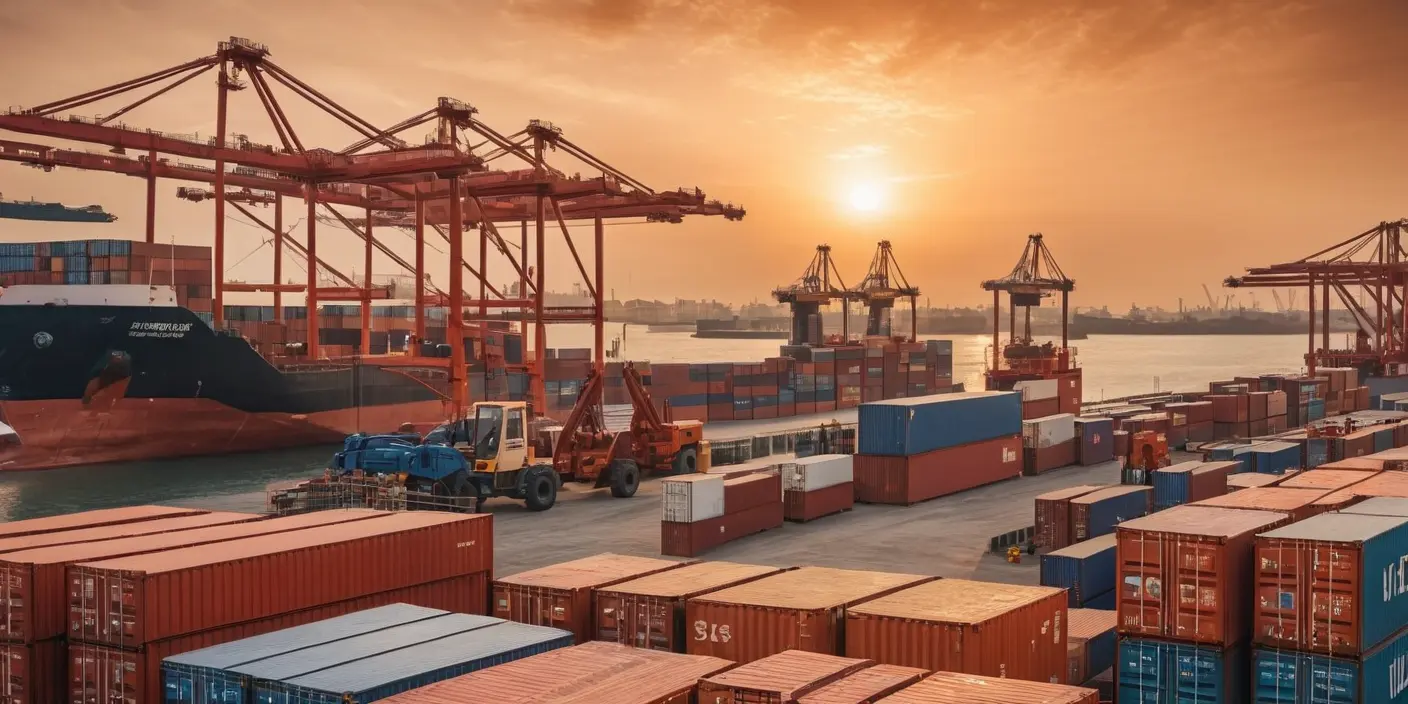
In August 2025, the United States raised tariffs on Indian goods to 50%, a move that severely impacts sectors with thin margins such as textiles, jewellery, footwear, chemicals, and seafood. Exporters in states like Gujarat, Tamil Nadu, and Kerala have flagged order cancellations, shipping delays, and rising costs due to disrupted supply chains.
The need for relief is urgent. Indian exporters are calling on the government for financial cushioning, liquidity support, and policy tweaks to soften the blow.
Government’s Relief Blueprint & Strategic Moves
To counter the US tariff blow, the Indian government is designing a multi-pronged relief package. Key measures under consideration include:
- Credit guarantees for exporters, especially MSMEs, to handle overdue loans and liquidity gaps.
- Interest subvention schemes, moratoriums on certain payments.
- Support for vulnerable sectors such as textiles, footwear, and seafood.
- Export promotion missions to shift focus toward newer international markets and diversify trade.
- Exploring exemptions, transit clauses, and legal channels under WTO norms.
Meanwhile, the government has made clear it is working “overtime” with industry stakeholders to mitigate the impact of the tariff.
Twist 1: US Chief Negotiator Arrives Tonight
In a significant diplomatic development, Steven Charles Witkoff, the US chief trade negotiator, is scheduled to arrive in India tonight. Trade talks are set to resume tomorrow. The visit is perceived as a strong signal that both sides want to resolve trade-barrier issues, including tariff disputes.
This could pave the way for a bilateral agreement or at least an interim deal that might reduce or phase out some of the most burdensome tariffs — an outcome many exporters are hoping for.
Twist 2: EU FTA Talks Wrap 13th Round, Year-End Goal in Sight
At the same time, India and the European Union have wrapped up the 13th round of FTA negotiations, with about 60% of the FTA’s chapters already completed.
Talks during this round focused on resolving sticking points like non-tariff barriers, market access in agriculture and dairy, rules of origin, and regulatory frameworks.
Both sides have reaffirmed commitment to finalise the India-EU trade pact by end of 2025, with political leaders on both sides urging an early, balanced deal that benefits businesses and consumers in India and Europe.
Why These Twists Matter for Exporters
- Broader Relief Possibilities
The US negotiator’s visit could unlock real concessions — lower tariffs, clearer exemptions, or phased relief. Exporters may get quicker support rather than waiting for bureaucratic measures. - EU FTA as Alternative Market and Leverage
A concluded EU Free Trade Agreement would provide alternative export routes, giving Indian exporters more bargaining power. If the EU deal materializes by December, it could offset some of the losses from the US tariff shock. - Political Pressure & Speed
These developments amplify political stakes. The government likely feels pressure to move fast, both diplomatically and domestically. Faster relief could be pushed through with less red tape. - Strategic Diversification
Exporters will need to diversify markets anyway. The India-EU FTA provides another destination and cushion. Combined with active US talks, India has strong incentives to accelerate policy and trade diplomacy.
Industry Reactions & What Exporters are Saying
Industry bodies have welcomed the US negotiator’s arrival with cautious optimism but stress the devil is in the details. Local manufacturers want to know which sectors will get exemptions or priority. MSMEs, in particular, worry that any relief won’t reach them fast enough.
On the EU front, businesses are keen but cautious — especially in agriculture/dairy, and sectors sensitive to non-tariff barriers. Some hope the EU deal will reduce regulatory friction and open up technology and innovation transfers.
The double-whammy of the US tariff and India’s negotiations with both Washington and Brussels has brought trade and export policy into sharp focus. With the US negotiator arriving and EU FTA moving fast, exporters may finally get more than just promises. For India, the coming months could mark a turning point — not just in damage control, but in resetting trade relationships and emerging with stronger, diversified export strategies.