
Tinsukia: With Arunachal on Its Doorstep, Should It Evolve From Commercial Hub to Tourism Gateway?
Why Tinsukia Matters — More Than Just Commerce
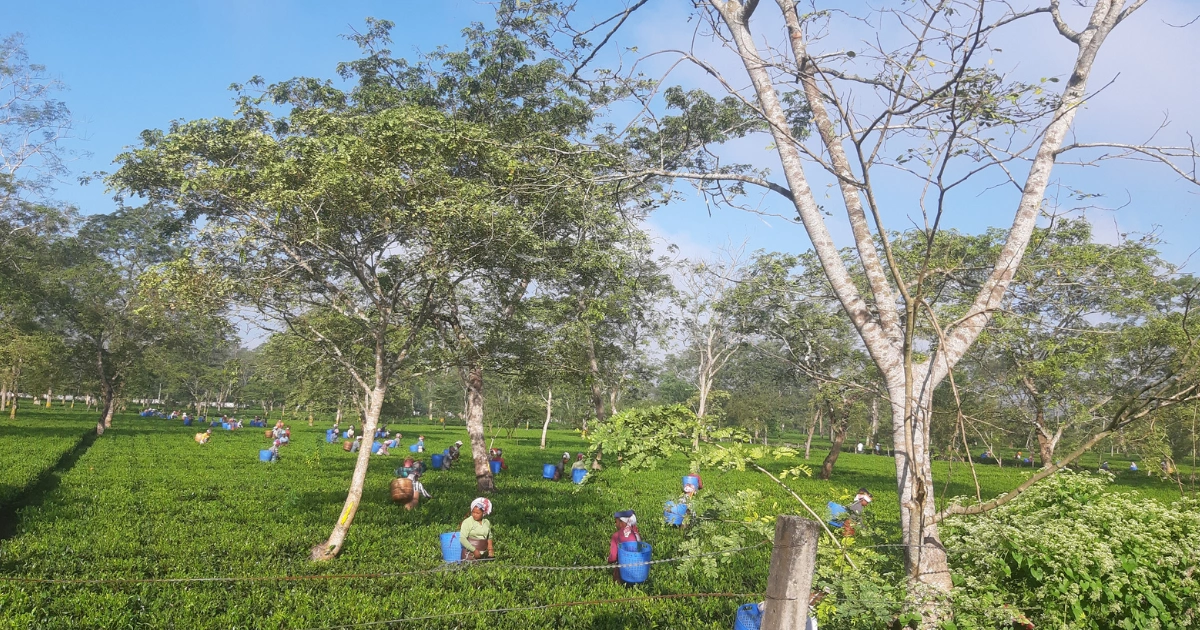
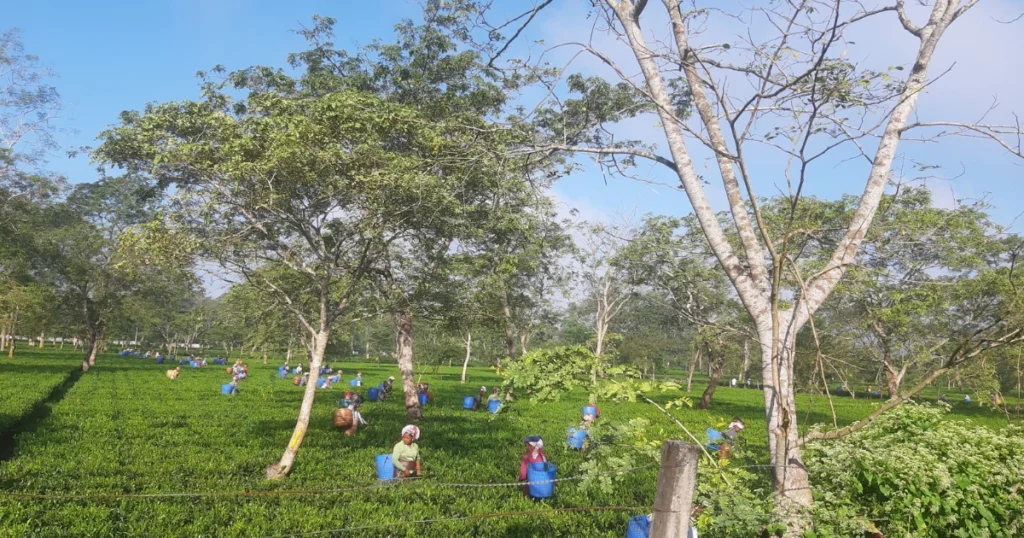
Tinsukia has long been known as a commercial hub in Upper Assam — owing to its tea gardens, plywood/wood-product industries, and a vibrant local economy. But beyond commerce and industry, Tinsukia’s strategic location and transport infrastructure give it a unique potential: to act as a “gateway city” — a launching pad for deeper, multi-day tourism into Eastern Arunachal Pradesh and Northeast India’s remote ecologically rich zones. Seen from this perspective, Tinsukia could offer more than just transits and trade: it could be the anchor of a high-value, two-state tourism circuit combining the heritage, culture, and biodiversity of Assam and Arunachal Pradesh.
What Makes Tinsukia Logistically Strong
• Air Connectivity
The closest airport is Mohanbari Airport (in Dibrugarh), located roughly 40–45 km from Tinsukia / New Tinsukia.That means tourists from major cities in India can fly into Mohanbari and reach Tinsukia with just a 1–1.5 hour drive — a significant advantage over remote, hard-to-reach hill towns.
• Rail Connectivity
Tinsukia is served by New Tinsukia Junction (NTSK), part of the Northeast Frontier Railway network. Important long-distance trains — like the Dibrugarh Rajdhani Express, Brahmaputra Mail, Kamrup Express, among others — pass through Tinsukia, connecting it with major metropolitan centres across India. This makes it feasible for mass-market domestic tourism involving train travel.
• Road & Regional Connectivity
Tinsukia sits at a vital junction of highways and feeder roads. Beyond connecting to the rest of Assam, it provides access roads into Arunachal Pradesh — especially toward areas like Namsai, Miao, and Roing — which in turn lead deeper into remote hills, forests, and tribal regions. In short: Tinsukia enjoys good “multi-modal connectivity” — air, rail, and road. That reduces the historic problem of “hard-to-reach remote Northeast,” at least for the first leg of a journey.
The “Anchor Hub” Advantage: Why Tinsukia Should Be More Than A Stopover
Many remote nature- or culture-based destinations suffer because tourists treat them as “one-night or two-night” stops — limiting revenue and curtailing deeper discovery. But with Tinsukia’s infrastructure and proximity to both Assam’s heritage zones and Arunachal’s remote wilderness, it could play a far larger role:
| Current Shortcomings of Many Northeast Destinations | How Tinsukia Can Solve It (Anchor Hub Model) |
| Monolithic tourism — just wildlife, or just culture | Tinsukia enables a multi-themed itinerary: Assam’s tea & wood heritage + oil/industrial legacy + lush biodiversity. From there, embark on Arunachal’s hills, snow-clad passes, Buddhist monasteries and tribal experiences. |
| Logistical & permit challenges in Arunachal | As a major rail/road/air junction, Tinsukia offers the logistics base — transport, accommodation, and pre-trip planning (guides, Inner Line Permits) before venturing into remote regions. |
| Short tourist stays (1–2 nights) limiting revenue | By encouraging 2–3 nights in Tinsukia (Assam circuit) + 4–7 nights in Arunachal (hill/cultural/wildlife circuit), overall tourist stay — and spend — can significantly increase. |
Thus, Tinsukia can evolve from being “just a commercial hub or transit city” to a full-fledged tourism gateway and anchor hub — especially valuable for multi-day, high-value travelers seeking a rich, layered Northeast experience.
What Circuits Could Emerge Out of Tinsukia
Here are some plausible travel circuits that leverage Tinsukia’s location + Arunachal’s treasures:
Wildlife & Nature Circuit
- Entry point to Namdapha National Park (via Miao) — one of the largest and most bio-diverse forests in Northeast India.
- Ideal for jungle treks, biodiversity tours, bird-watching, rainforest exploration — starting from a comfortable base in Tinsukia rather than remote, rugged forest lodges.
Culture and Faith Circuit
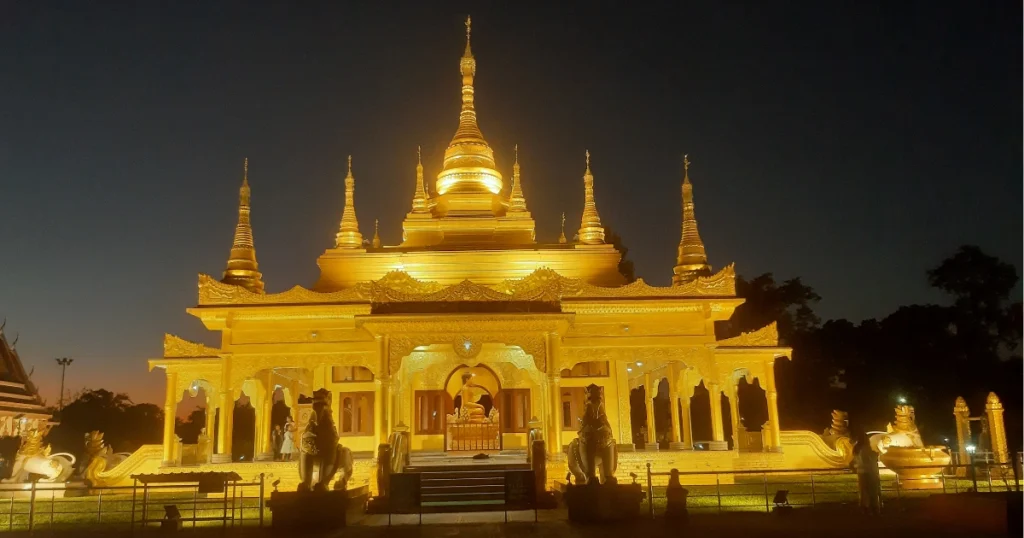
- Reach Golden Pagoda (Namsai) (also known as Kongmu Kham) — about 68–100 km from Tinsukia/Namsai, accessible by rail + road.
- Combine Assamese tea-garden heritage, wood/industrial background with Arunachal’s rich tribal cultures — offering tourists a rare blend of plains-to-hills, heritage-to-nature journeys.
Snow & Hills Adventure Circuit
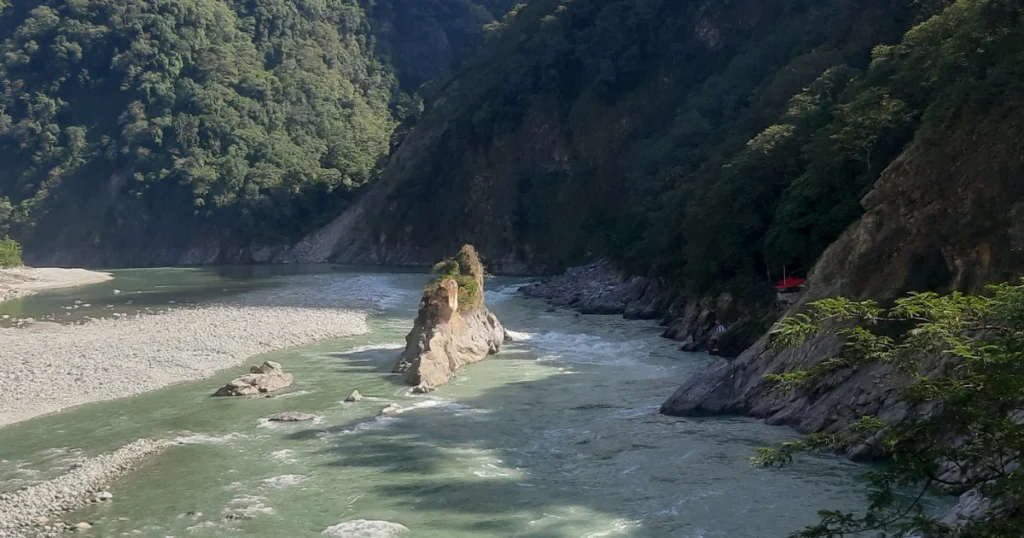
- Use Tinsukia → Roing → Mayodia Pass — a destination known for its winter snowfall and scenic beauty — especially attractive for travelers seeking snow and Himalayan-fringe landscapes.
- Further extension into remote tribal areas like Anini in Dibang Valley (via Roing) — offering a deep, off-beat Northeast experience blending nature, tribal culture, and adventure.
Mixed Assam–Arunachal Heritage Circuit
Combine Assam’s tea, wood and industrial heritage (around Tinsukia and nearby districts) with hill-destination adventures — a package that can appeal to both domestic and international eco-tourists or cultural travelers.
Why The Idea Makes Strategic Sense for Tourism Development
- Optimized Logistics: Tinsukia solves the “first-mile/last-mile” challenge for remote Northeast destinations.
- Value Addition: Instead of one-off, short stays, a circuit-based model increases duration, spending, and tourist value per trip.
- Market Reach: With rail + air + road connectivity, both budget and premium tourists (train-goers, flight-arrivals) can be accommodated.
- Ease of Permits & Planning: For regions like Arunachal requiring an Inner Line Permit (ILP), Tinsukia can act as a base for document processing, travel planning, hiring guides — reducing bureaucratic friction for tourists.
- Sustainability & Diversified Tourism Offerings: Instead of over-dependence on coal, oil, or industrial trade, tourism — especially eco- and cultural tourism — can bring new revenue streams while promoting conservation, heritage and community-based development.
What Needs to Be Done: Infrastructure, Branding & Policy for Tinsukia as a Tourism Hub
For Tinsukia to realize this potential, several coordinated efforts are required:
- Government & Local-Stakeholder Branding: Authorities (Assam + Arunachal) must recognise and actively promote Tinsukia as a “gateway to Eastern Arunachal tourism.”
- Tourism-Friendly Infrastructure: Improved guesthouses, transit accommodations, tourist information desks, safe transport, connectivity — especially to remote circuits (e.g. Miao, Roing, Anini).
- Permit & Guide Services: Simplified ILP process, guided ecotours, local-language guides, travel packages that combine Assam + Arunachal loops.
- Sustainable Tourism Planning: Ensuring ecological zones like Namdapha are protected; community-involved tourism to benefit local tribal and village populations.
- Integrated Itineraries: Pre-designed circuits — e.g. “Assam heritage (tea + industry) + Arunachal hills & culture + Wildlife & Nature” — marketed to both domestic and international tourists.
Tinsukia’s identity need not remain limited to commerce, trade or a stop-over town. Its unique blend of connectivity, heritage (tea, wood, industry), and proximity to high-value destinations in Arunachal Pradesh makes it a promising anchor hub for a regional tourism circuit that can unlock Northeast India’s latent potential.
With strategic planning, investment in infrastructure and coordinated efforts by government, local stakeholders and tour operators, Tinsukia could emerge as the tourism gateway of Upper Assam–Eastern Arunachal corridor — redefining its role from “just a commercial hub” to a vibrant, multi-themed tourism anchor.



Excellent analysis
Thanks for your appreciations!