

The Silent Health Crisis of Modern India: Why Preventive Healthcare Can No Longer Be Ignored
India today lives with a dangerous paradox. We are witnessing rapid advances in medical science, expanding hospital networks, and growing access to digital health tools—yet lifestyle diseases are rising faster than ever before. Diabetes, hypertension, cardiac disorders, obesity, and mental health challenges are no longer limited to older age groups or affluent urban populations. They are quietly becoming the new normal across cities, towns, and even semi-rural India. This is not a sudden crisis. It is a slow, silent one—driven largely by our collective neglect of preventive healthcare.
The Growing Burden of Lifestyle Diseases
Over the past two decades, India’s disease profile has shifted dramatically. Communicable diseases are no longer the primary threat; non-communicable diseases now account for a majority of deaths and long-term illnesses.
What makes this trend particularly alarming is how often these conditions remain undetected until they reach an advanced stage. Many individuals continue with their daily lives feeling “normal,” unaware that high blood sugar, elevated blood pressure, or early cardiac risks are already taking root.
Preventive health check-ups remain sporadic, reactive, or completely absent from most households.
Why Preventive Healthcare Is Still Ignored
Despite growing awareness, preventive healthcare has not yet become a cultural habit in India. Several factors contribute to this gap:
- Symptom-driven mindset: Medical attention is often sought only when discomfort becomes unavoidable.
- Perceived cost: Preventive check-ups are viewed as an expense rather than an investment.
- Time constraints: Busy lifestyles leave little room for routine health monitoring.
- Low awareness: Many people underestimate the long-term risks of untreated early-stage conditions.
Ironically, the cost—both financial and emotional—of late diagnosis is far higher than routine prevention.
The Economic Cost of Neglecting Prevention
Preventive healthcare is not just a medical issue; it is an economic one.
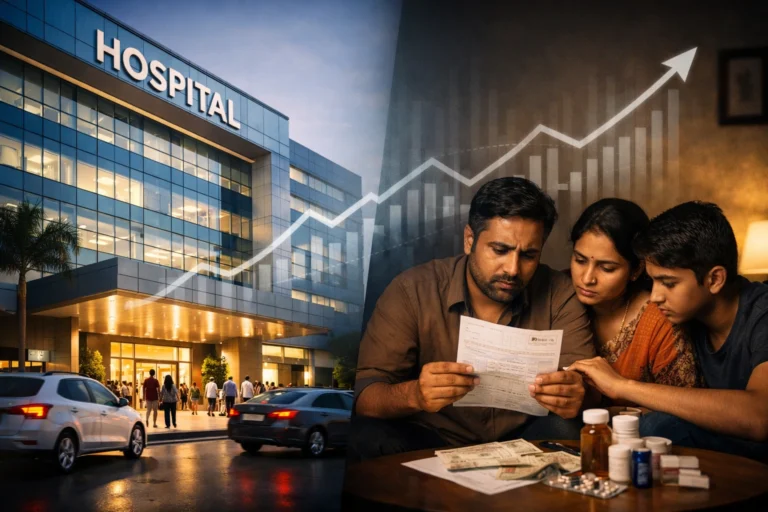
Late-stage treatment often involves prolonged hospital stays, expensive medications, loss of workdays, reduced productivity, and emotional strain on families. For a large section of India’s working population, a single major health episode can disrupt years of financial stability.
At a national level, this translates into rising healthcare expenditure, workforce inefficiencies, and growing pressure on public health systems.
Prevention, therefore, is not optional—it is economically intelligent.
Technology Is Changing the Preventive Healthcare Landscape
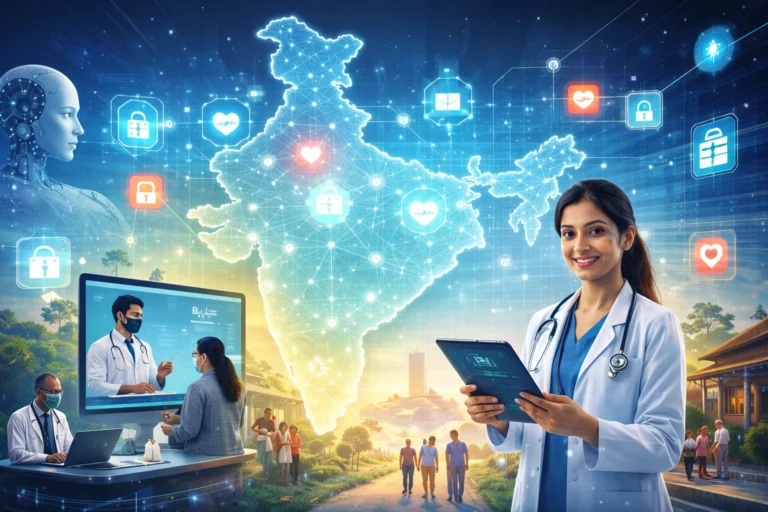
The good news is that technology is beginning to bridge this gap.
- Wearable devices now track heart rate, sleep, activity, and stress levels.
- Telemedicine platforms make medical consultations more accessible.
- AI-powered diagnostics are enabling early detection of patterns invisible to the human eye.
- Digital health records are helping individuals monitor long-term trends rather than isolated reports.
When combined with awareness and behavioral change, these tools can shift healthcare from a reactive system to a proactive one.
Prevention as the Foundation of a Healthier Future
Preventive healthcare is not about eliminating hospitals or treatment—it is about reducing avoidable suffering. Regular screenings, lifestyle awareness, early diagnosis, and timely intervention can dramatically improve both quality of life and economic resilience.
India stands at a critical juncture. The choices individuals, institutions, and policymakers make today will define the nation’s health outcomes for decades to come.https://thequantiq.com/?p=2204
This article is part of The Quantiq’s ongoing health intelligence coverage. A deeper, data-driven Health Dossier exploring systemic challenges, technologies, and policy frameworks is currently in development.



3 Comments