The Golden Pour: How Indian Spirits Are Shaking Up the Global Bar Cabinet
From Volume to Voice: India’s Alcohol Industry Comes of Age
For decades, the global story of Indian alcohol was told almost entirely in volume.
India was the silent giant of the low-end, mass-market IMFL (Indian Made Foreign Liquor) ecosystem—producing vast quantities, priced aggressively, and largely invisible in premium conversations. The products sold. The brands rarely travelled.
As India crosses into 2026, that narrative has decisively changed.
From the arid dunes of Rajasthan to the humid hills of Goa, Indian distilleries and breweries are no longer just producing liquor—they are crafting identity. And for the first time, the global bar cabinet is making space for Indian names not out of curiosity, but out of respect.
The Premiumisation Pivot: Why India Is Drinking Better, Not Just More
The most telling data point of 2025 is not rising consumption—it is upgrading consumption.
While the economy segment of alcohol has largely plateaued, premium and luxury categories grew by approximately 8% in 2025, significantly outpacing the broader market.
What’s driving the shift?
1. The Affluence Effect
With India maintaining real GDP growth above 7%, millions of consumers are entering the discretionary spending bracket annually. Alcohol, once purely functional, is becoming experiential.
2. Social Acceptance and Craft Culture
Urban India has witnessed a quiet but profound cultural shift. The stigma once attached to social drinking is dissolving, replaced by a globalised craft culture—tasting menus, mixology, origin stories, and limited editions.
3. The Agave Signal
It isn’t just whisky anymore. 2025 saw premium tequilas like Don Julio gain strong traction in metro cocktail circuits—signalling a broader movement toward high-end spirits and cocktail-led consumption.
India is not just consuming global brands; it is benchmarking itself against them.
“Made in India” Goes Premium on the World Stage
Five years ago, spotting Indian whisky in a high-end bar in London or Tokyo was a novelty. In 2025, it is increasingly a competitive choice.
As The Spirits Business observed in December 2025:
“India is now entering the spirits discourse not as the cheapest option, but as the most interesting new one.”
This shift is rooted in quality, patience, and storytelling—not scale alone.
The 2025 Hall of Fame: Indian Spirits That Made the World Sit Up
Indian brands are no longer just entering global competitions. They are winning them.
- Indri (Piccadilly Agro Group):
Its Diwali Collector’s Edition 2025 clinched Gold at The Luxury Spirits Masters, reinforcing India’s credentials in the single malt space. - Amrut and Paul John:
The pioneers who broke the global ice—laying the groundwork for India’s premium whisky narrative over the last decade. - Rampur and Godawan:
New-generation labels combining terroir, sustainability, and heritage storytelling.
Indian single malts are no longer priced to undercut Scotland—they are priced to stand beside it.
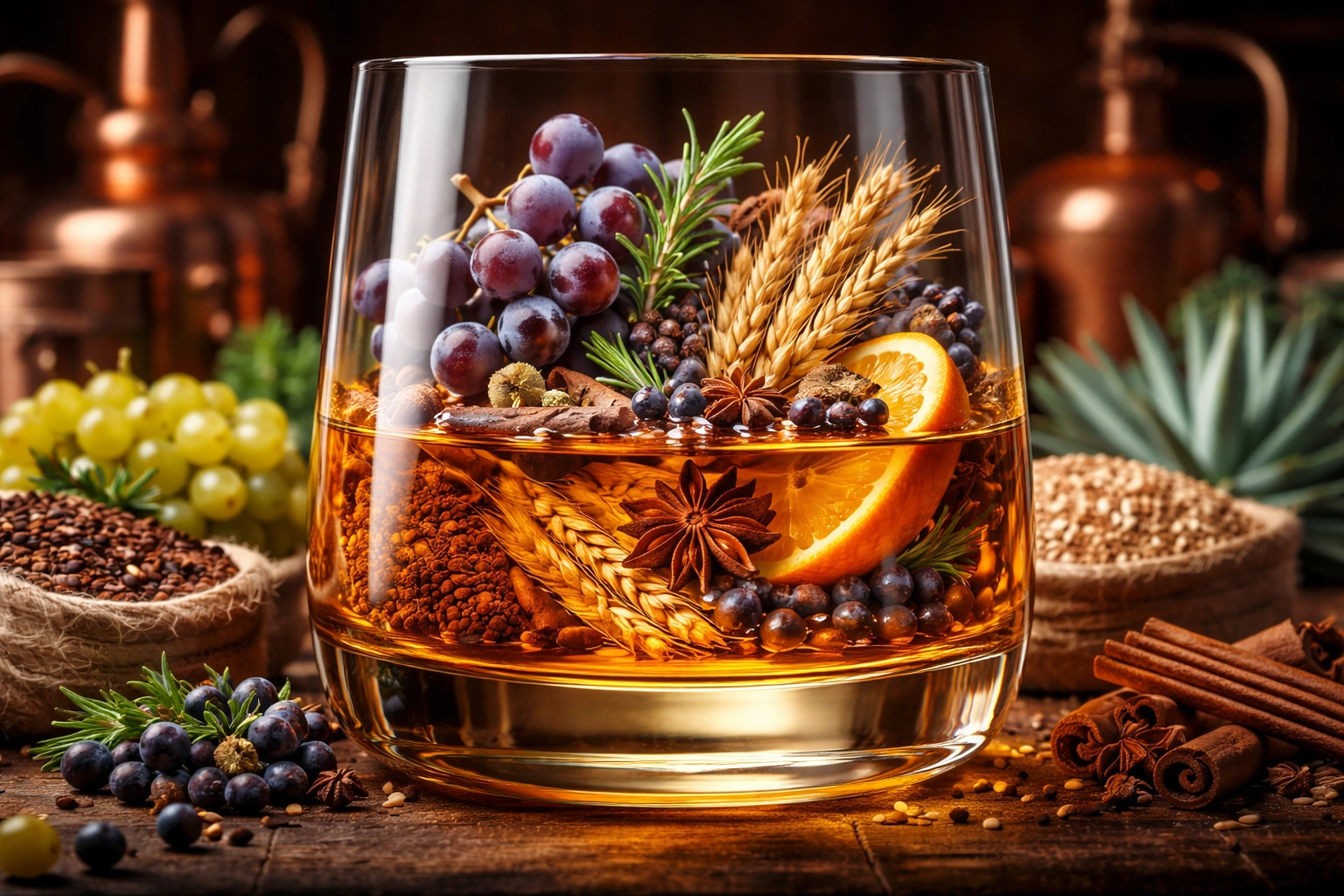
The Gin Renaissance: India’s Botanical Advantage
If whisky is India’s legacy play, gin is its creative rebellion.
Brands like Jaisalmer and Greater Than have transformed India from a “whisky-only” market into a botanical powerhouse.
India’s biodiversity—juniper from the Himalayas, citrus peels, spices, vetiver, and herbs—has become a competitive edge. Indian craft gin now enjoys strong visibility in the UK, Europe, and duty-free channels across Asia.
The Brewery Boom: Fresh, Local, and Session-Driven
While spirits dominate headlines, the Indian beer market—valued at approximately US$14.8 billion in 2025—is undergoing its own quiet transformation.
Key trends reshaping beer in India:
The Microbrewery Revolution
India now hosts 400+ microbreweries, with Bengaluru and Pune as established hubs. Notably, North India has emerged as the fastest-growing region for craft beer.
The “Session Beer” Shift
Roughly 67% of urban consumers now prefer lighter, lower-ABV beers. Heavy, high-alcohol lagers are steadily losing ground to wheat beers, pilsners, and IPAs.
Sustainability as Strategy
New-age breweries are increasingly adopting:
- Solar-powered brewing
- Water-neutral processes
- Local sourcing
For Gen Z consumers, sustainability is no longer a bonus—it is an expectation.
The Export Engine: Crossing the $450 Million Mark
India remains the 40th largest exporter of alcoholic beverages globally—but momentum is accelerating.
In FY 2024–25, Indian alco-bev exports grew by 15–20%, driven primarily by demand from:
- The UAE
- The United States
- Southeast Asia
Export Growth Snapshot (2025)
| Market Segment | Growth Rate | Key Destinations |
|---|---|---|
| Single Malt Whisky | +22% | USA, UK, Singapore |
| Craft Gin | +18% | UAE, Southeast Asia |
| Premium Beer | +12% | Africa, SAARC |
Export success is no longer accidental—it is strategic, brand-led, and margin-focused.
Is the Spirit Strong?
For The Quantiq reader, the takeaway is unmistakable.
India’s alco-bev sector is no longer just a “sin tax” revenue stream. It is emerging as a high-growth, high-margin manufacturing success story, driven by premiumisation, branding, and global credibility.
With domestic demand upgrading and exports gaining prestige, industry projections suggest India’s alcohol market could double to nearly US$123 billion by 2034.
The era of anonymous volume is over.
The era of Indian identity in a glass has begun.
The Golden Pour has only just started.