Experiential Tourism Could Be the Northeast’s Next Big Opportunity
Northeast Renaissance | The Quantiq
“A lot of people ask about experiential tourism, but we have not been able to do much.”
A travel entrepreneur told me this recently during an interview. The sentence stayed with me because it captures a curious contradiction in Northeast India. Travellers are increasingly searching for meaningful experiences, yet many of the region’s most extraordinary experiences remain poorly packaged, insufficiently connected and almost invisible to the audiences most likely to value them.
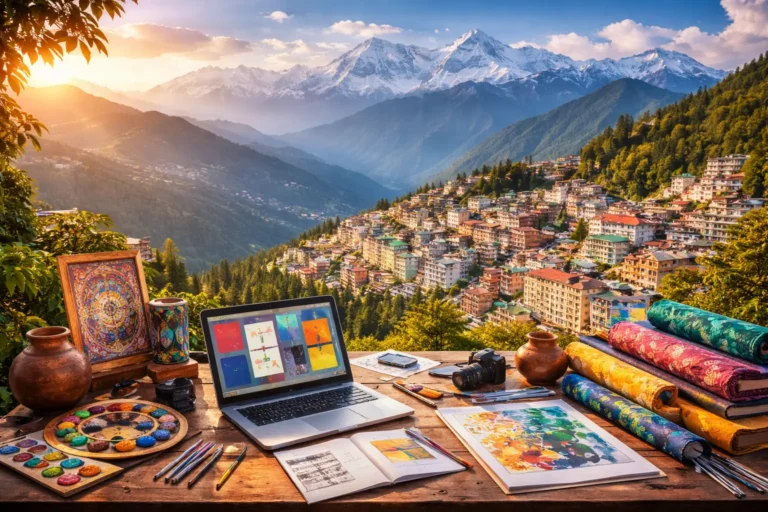
The Northeast does not lack tourism assets. It has mountains, forests, rivers, wildlife, indigenous communities, food traditions, tea, crafts, music, monasteries and extraordinary biodiversity.
Perhaps it does not need another attraction.
It needs to communicate the experiences it already possesses in the right way, to the right audience.
The traveller is changing
Tourism is no longer simply about reaching a destination, seeing its famous landmarks, taking photographs and moving on.
Across the world, travellers are increasingly looking for cultural immersion, wellness, adventure, spirituality, food, nature and opportunities to participate rather than simply observe. India’s tourism market is large enough to support increasingly specialised experiences. The Ministry of Tourism recorded 4.29 billion domestic tourist visits and 25.27 million foreign tourist visits in 2025, while tourism contributed an estimated 5.22% of India’s GDP and supported 84.63 million direct and indirect jobs in 2023–24.
The opportunity, therefore, is not simply to attract more tourists.
It is to understand what different travellers are actually looking for.
That distinction could be particularly important for the Northeast.
Consider a cup of Phalap
For a conventional itinerary, visiting a tea-producing region might mean visiting a tea garden, taking photographs and drinking a cup of Assam tea.
But imagine something different.
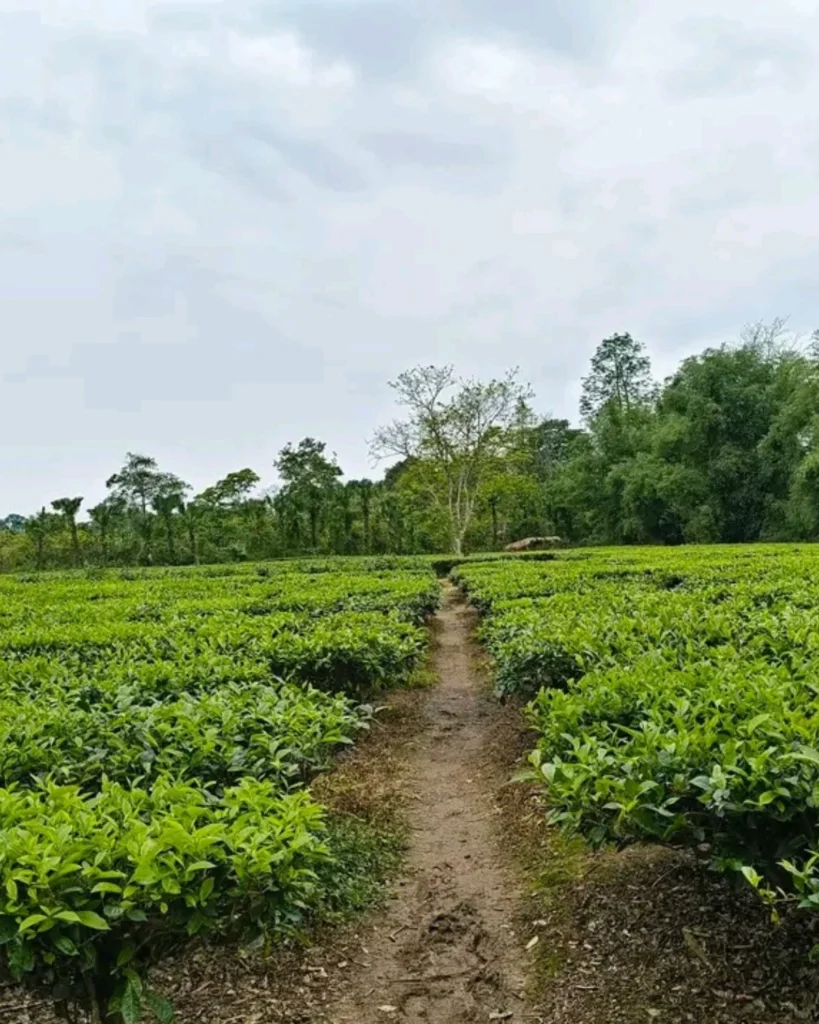
You travel to a Singpho village near Margherita. You meet a community whose relationship with tea is embedded in its history and culture. You watch tea leaves being processed traditionally, packed into bamboo and smoked to produce Phalap, the distinctive handmade tea associated with the Singpho community.
Now the tourism product is no longer simply a tea garden visit.
It becomes an encounter with a community, a landscape, a food tradition and a way of making something that cannot simply be reproduced somewhere else.
That is experiential tourism.
And the difference is profound.
Manjela Singpho understood this early
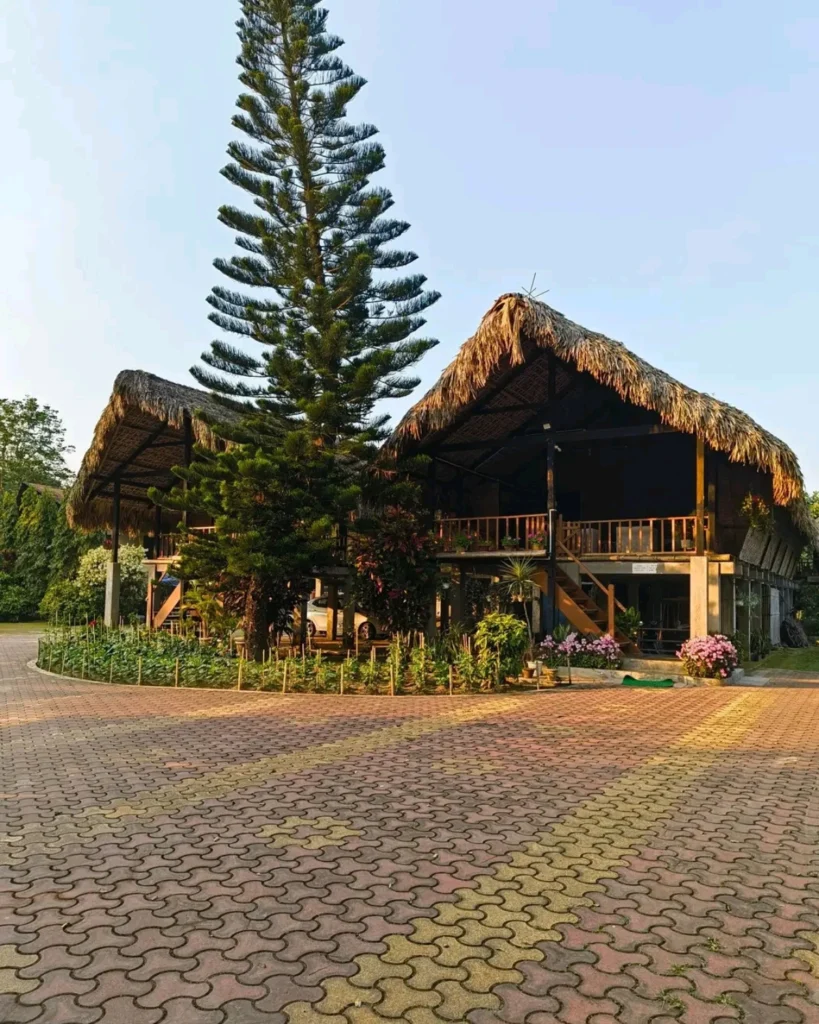
One of the region’s quiet pioneers of this approach is Manjela Singpho of the Singpho Eco Lodge near Margherita.
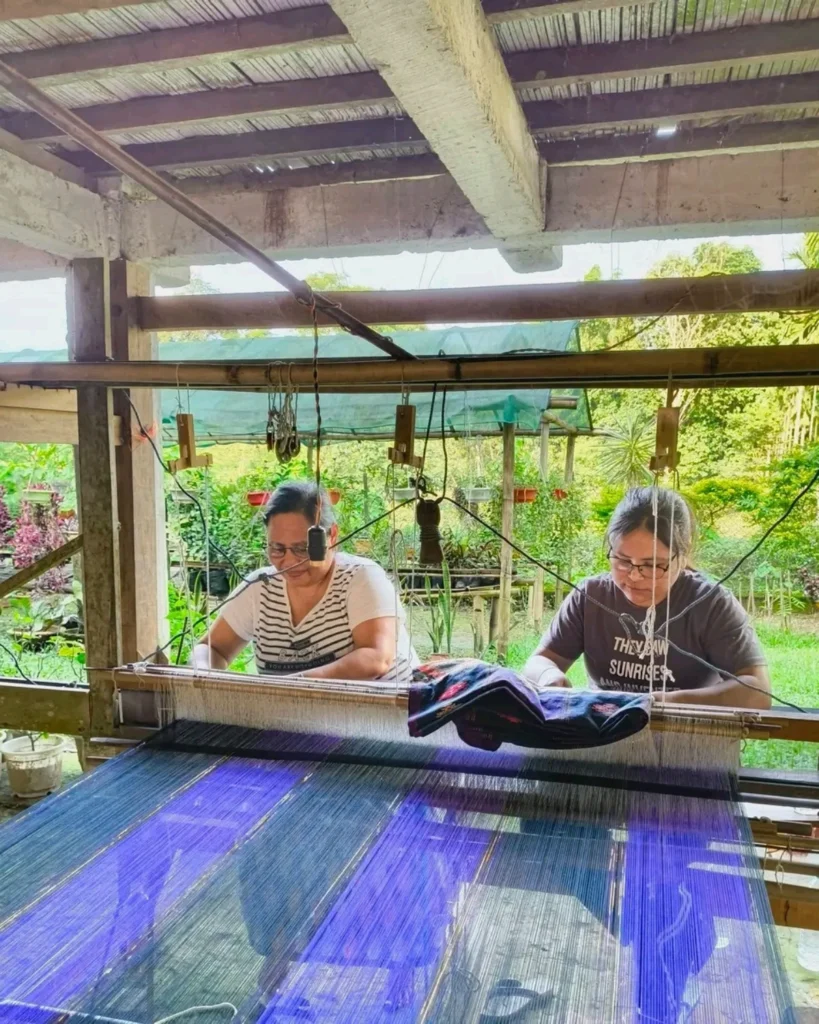
The lodge has been built around much more than accommodation. Its appeal lies in the combination of Singpho culture, food, architecture, tea and village life. Tourism itineraries around the area already connect the lodge and Ketetong with the historic Ledo–Stilwell Road, wartime sites and the wider landscape around Margherita.
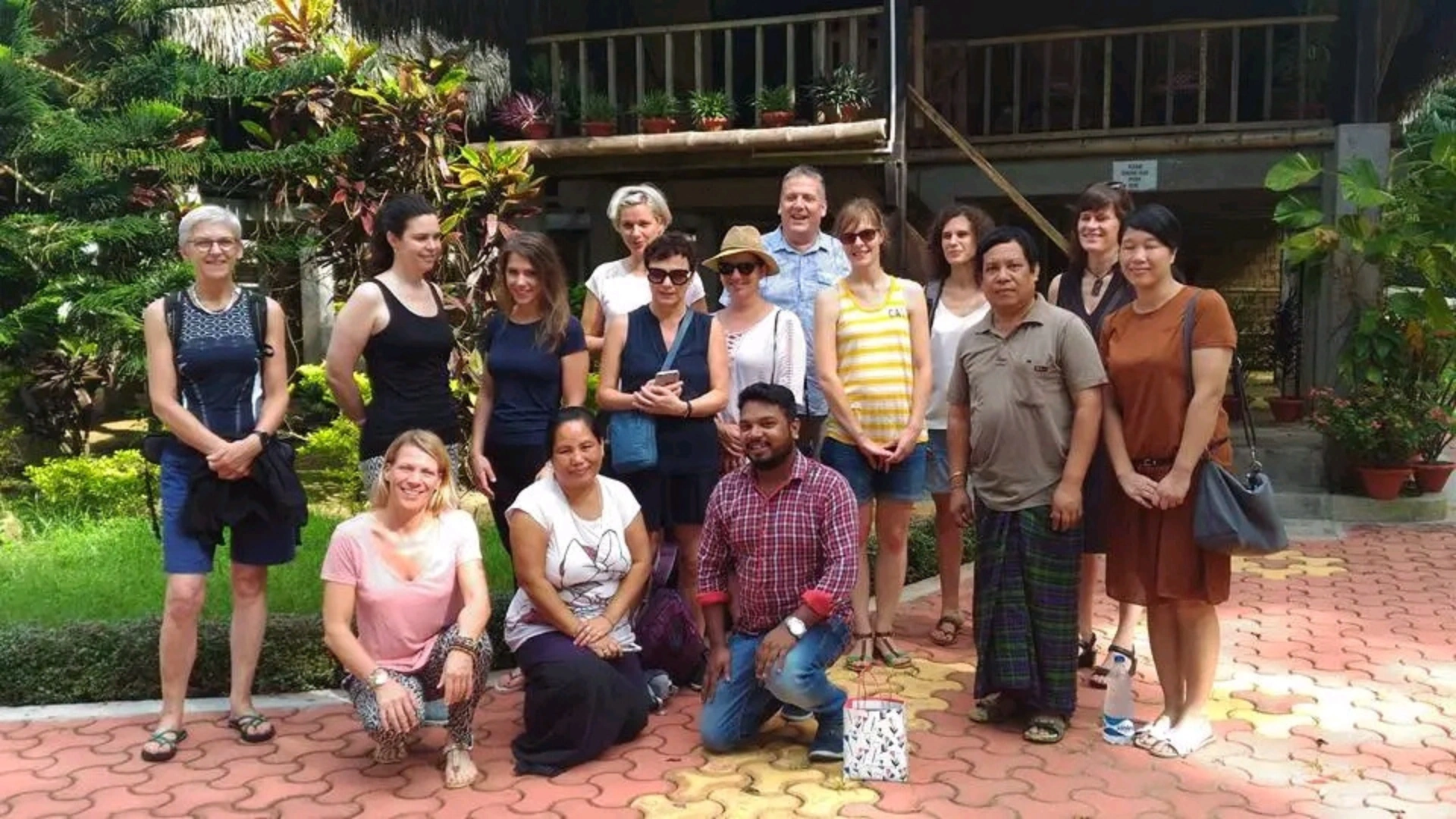
International travellers have also been coming to experience the Singpho way of life.
For me, the food at the Singpho Eco Lodge remains among the most memorable ethnic culinary experiences I have encountered in the Northeast.
That matters because food is not an accessory to experiential tourism.
Food is geography made edible.
The same is true of Phalap. A visitor does not merely drink a tea. They encounter the people, process, landscape and cultural memory behind it.
That is much harder to commoditise than another hotel room or sightseeing package.
The experience already exists. The communication does not.
This may be the Northeast’s biggest tourism paradox.
Many extraordinary experiences already exist, but they are not necessarily being positioned for the audiences searching for them.
A serious tea enthusiast may want to understand indigenous tea traditions rather than visit another luxury tea resort. A food traveller may cross continents for a dish that does not appear on a conventional itinerary. A birdwatcher may prefer a quiet forest trail to a crowded attraction, while a traveller interested in indigenous cultures may want to spend time with a community rather than watch a staged performance.
This requires a different approach to destination marketing.
The Northeast does not need everyone. It needs the right people.
A village may not benefit from thousands of visitors arriving simultaneously. It may benefit more from a smaller number of visitors who stay longer, spend locally and genuinely value what the community offers.
That is where experiential tourism becomes more than a tourism product.
It becomes a model of high-value, lower-volume travel.
The Northeast could sell experience corridors
Consider the landscape around Upper Assam and eastern Arunachal Pradesh.
A traveller could begin with Singpho culture and Phalap near Margherita, explore the region’s tea and industrial heritage, continue towards Ledo and Nampong, cross the historical landscape around Pangsau Pass and then enter the extraordinary wilderness of Namdapha.
Suddenly, this is no longer a collection of disconnected tourist spots.
It becomes an experience corridor.
And the deeper we look, the more remarkable the story becomes.
The road that became a film
The road itself carries an extraordinary cinematic history.
During the Second World War, the route began as the Ledo Road, built through extremely difficult terrain to create a land supply route from Assam towards China. It was later renamed the Stilwell Road after U.S. General Joseph Stilwell, who oversaw much of the operation. The construction project involved American soldiers and large numbers of Chinese workers and volunteers.
But the road also became the subject of an unusual wartime filmmaking story.
An Anglo-American documentary project about the Burma campaign eventually broke apart because the British and Americans wanted to tell different stories. The Americans emphasised the Ledo Road and the supply route to China. The British wanted to focus more heavily on the reconquest of Burma.
The result was two separate films.
The American The Stilwell Road, released in 1945, was produced by the U.S. Army Signal Corps and narrated by a young Ronald Reagan, years before he entered the White House. The British produced Burma Victory, directed by Roy Boulting, presenting a broader account of the Burma campaign and the Allied reconquest of the country.
Think about what that means for tourism.
A visitor travelling through this landscape today is not merely travelling along an old road.
They are moving through a landscape that contains indigenous history, tea culture, World War II history, international geopolitics, engineering history and cinema history.
That is experiential tourism waiting to be articulated.
Pangsau Pass is more than a viewpoint
Pangsau Pass should therefore not be marketed simply as another scenic destination.
It can become part of a story.
The traveller can hear about the Ledo Road, understand why the route mattered during the war, encounter the story of Stilwell, discover that two countries once made competing documentaries about the campaign, and then continue into a landscape where the history of the twentieth century intersects with living communities and extraordinary biodiversity.
From there, Namdapha introduces an entirely different experience.
The forests, wildlife, birdlife, trekking opportunities and ecological richness create a natural counterpoint to the wartime history of the road.
One journey can therefore connect culture, food, tea, history, geopolitics, cinema and biodiversity.
The experience is already there.
The communication is not.
But there is a trap waiting for us
The Northeast has increasingly embraced another powerful tourism tool: the music festival.
There is nothing inherently wrong with that. Music festivals can create visibility, attract younger travellers, generate local economic activity and introduce destinations to new audiences.
But there is a question worth asking before every destination begins doing the same thing.
What happens when every destination has a music festival?
One destination has a stage. Another builds a bigger stage. International artists arrive, sponsors follow, lights become larger and social media becomes the principal measure of success.
Eventually, the festival can become more recognisable than the destination itself.
That is where destination branding can become commoditised.
The Northeast should be careful not to replace one generic tourism product with another.
We also need to ask what the festival leaves behind
There is an even more uncomfortable question for a region whose greatest assets include biodiversity and fragile ecosystems.
Large outdoor events can bring amplified sound, artificial lighting, traffic, temporary structures, concentrated human activity and waste.
Research on an outdoor music festival in Italy found short-term changes in bird assemblages at the event site, including reduced species richness and diversity after the event. The researchers identified high-intensity noise as a likely major stressor, while also noting that several other disturbances occurred simultaneously.
This does not mean that every music festival produces the same ecological impact.
It does mean that the environmental cost of large events deserves much more serious consideration, especially when they are held close to forests, wetlands, wildlife habitats or bird-rich landscapes.
The Northeast should not make the mistake of marketing biodiversity on one page and disturbing it on another.
Perhaps silence itself can become a tourism product
There is an intriguing alternative.
What if silence became part of the Northeast’s tourism proposition?
A forest where the dominant sound is birdsong.
A village where the evening is spent around food and conversation.
A homestay where the visitor wakes to the sounds of the landscape.
A tea garden where the experience is walking, plucking, processing and tasting.
A wildlife destination where observation matters more than spectacle.
A monastery where quietness is itself part of the journey.
In an increasingly noisy world, silence may become a luxury.
The Northeast still possesses it.
For how long is another question.
Do not turn every experience into a performance
There is another danger in experiential tourism.
The moment an experience becomes commercially successful, there is a temptation to package and reproduce it.
That can destroy the very authenticity that attracted visitors in the first place.
A community should not have to perform its culture every evening. A traditional practice should not become a photo opportunity. A village should not become a theme park, and a forest should not become an outdoor event venue simply because visitors can be brought there.
The best experiential tourism allows visitors to enter a real world respectfully.
That is what makes the Singpho experience so instructive.
The attraction is not an artificial performance.
It is life itself.
Tourism simply creates a respectful bridge between that life and the visitor.
The Northeast may already be sitting on a gold mine
The region’s tourism gold is not necessarily hidden in another spectacular viewpoint.
It is hidden in stories, food, skills, landscapes, biodiversity, traditions, people and ways of living.
The challenge is to identify them, protect them, design meaningful experiences around them and communicate them to people who will value them.
That requires better storytelling and sharper destination research. It requires local guides, community participation and specialist tour operators who understand that a niche audience can sometimes be more valuable than a mass audience.
Most importantly, it requires a change in mindset.
The question should no longer be:
“How do we attract more tourists?”
It should be:
“What experience can we offer that a traveller cannot find anywhere else?”
That is a much more powerful question.
The traveller may not ask, “Why should I visit Assam?”
They may ask, “Where can I learn how an indigenous community makes its own tea?”
They may not ask, “Why should I visit Arunachal Pradesh?”
They may ask, “Where can I walk through an extraordinary biodiversity landscape with someone who understands it?”
And they may not ask which Northeast state they should visit.
They may simply ask:
“Where can I experience something I cannot experience anywhere else?”
The Northeast has an extraordinary number of answers.
Perhaps the next big opportunity is not to invent more.
It is to recognise what already exists, protect it from commoditisation, and tell the world why it matters.
The region does not necessarily need to become louder to become more visible.
It may need to become more specific, more authentic and more intelligent about whom it wants to attract.
That could be the real future of experiential tourism in Northeast India.