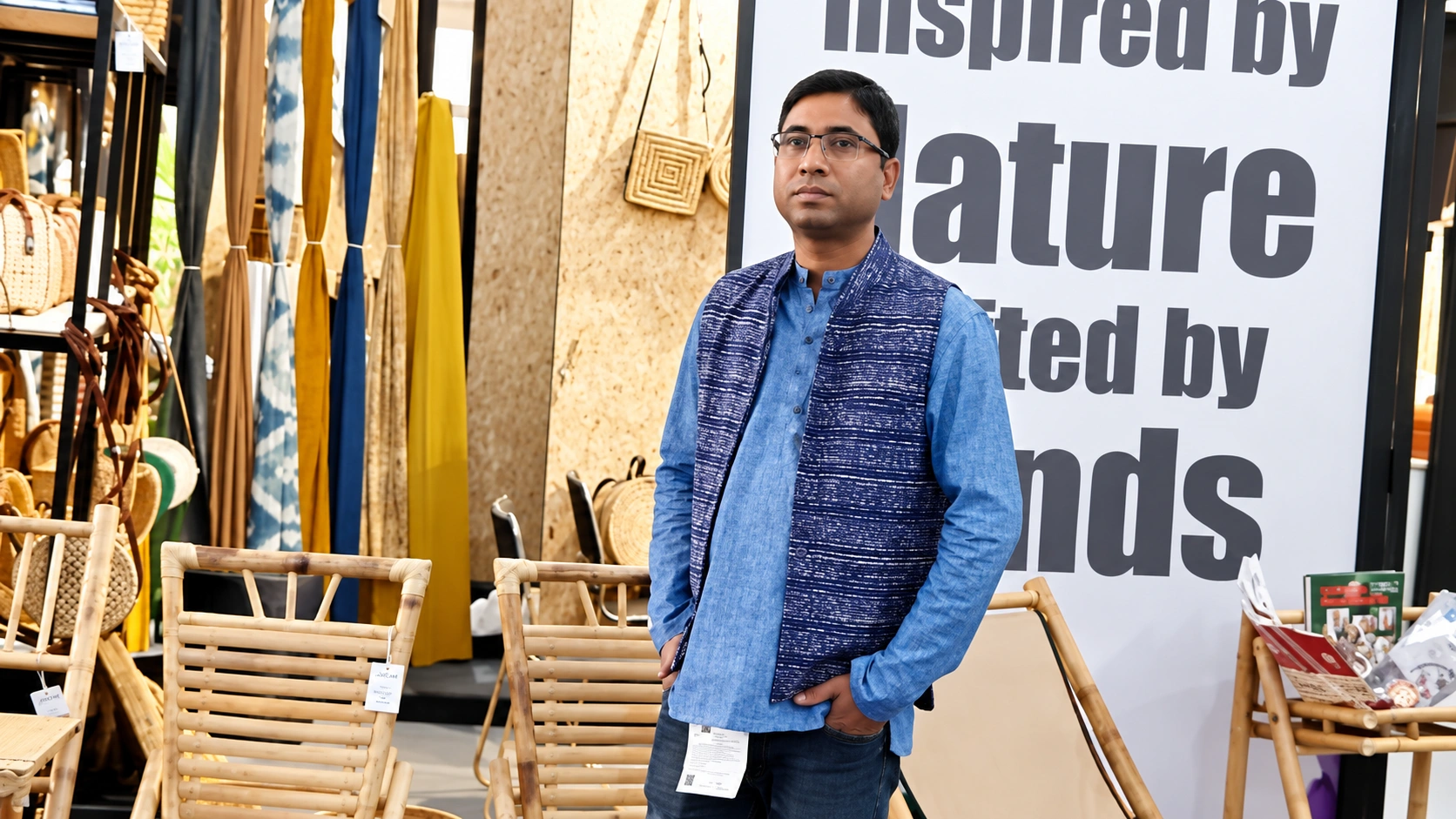
From Civil Services Dream to Nominated Director of a Central PSU: Life Crafted a Different Story for Santanu Sutradhar
Founder Series | The Quantiq
Santanu Sutradhar left Assam for Delhi with a civil services dream. He returned to Silchar in 1999 with six or seven artisans and an idea to take the handicrafts of his hometown to markets beyond the region. Twenty-seven years later, his journey has taken him to international markets and the board of NEHHDC.
Some of life’s most consequential turns begin with a question that appears almost too simple to matter.
For Santanu Sutradhar, that question emerged in Delhi.
He had gone to the capital with the ambition to prepare for the civil services. Instead, Delhi introduced him to a business opportunity that was quietly connected to his own hometown. While working in a private export company, Santanu encountered a handicrafts exporter and gradually discovered that many of the products being exported were being sourced from Barak valley area.
The discovery made him wonder why he could not do the same.
The question would eventually bring him back home.
Today, after 27 years in the handicrafts export business, Santanu Sutradhar, founder of Disha Enterprise, a Silchar-based handicrafts exporter, has been nominated as a Non-Official Director on the Board of the North Eastern Handicrafts and Handlooms Development Corporation (NEHHDC).
It is an unlikely destination for someone who had once imagined his future in the civil services. But Santanu’s story is not simply about an unexpected career change. It is also about what he learnt along the way about artisans, international markets and the unfinished economic potential of Northeast India’s handicrafts.
A Childhood Shaped by Assam
Santanu’s story begins with a childhood that was itself shaped by movement.
His father was an officer in the Assam state judicial service and was posted in different towns across the state. The successive postings meant that Santanu grew up experiencing different parts of Assam rather than being rooted in one place.
One of his fondest memories takes him back to Karimganj.
At the time, his father and another officer in the administrative service were posted in the same town, and the two families shared a part-house. Their sons were both studying in Class VI, and the boys became friends. The other boy was Zubeen Garg.
Santanu remembers that even at that young age, there was something distinctive about Zubeen. While still in Class VI, Zubeen had already read several major Bengali literary masterpieces. But what stayed with Santanu was not simply the breadth of his reading. He recalls noticing what he describes as “sparks” in Zubeen’s personality.
Neither could have known where life would take them.
Zubeen would eventually find his calling in music and become one of Assam’s most recognisable cultural figures. Santanu would travel a very different road, one that would eventually take the craftsmanship of his home region to international markets.
Delhi and the Dream of the Civil Services
Santanu went to Delhi carrying the aspirations of many young people from Assam who see the civil services as a route to public service and professional achievement.
He enrolled for civil-services coaching, but his career plans gradually changed. He eventually pursued a business management course specialising in export and import and joined a private export company in Delhi.
The move brought him into direct contact with the mechanics of international trade.
It was during this period that he encountered a handicrafts exporter. As Santanu became familiar with the business, he discovered something that changed the way he looked at his hometown.
The exporter was sourcing handicrafts from Silchar.
The realisation was significant. Santanu had grown up around these products and the communities that made them, but he had not previously looked at them through the eyes of an international entrepreneur.
Delhi had shown him that there was a market for the products.
Silchar, he realised, could be where he built the business.
And so he returned.
Six Artisans and 45 Days
Santanu came back to Silchar in 1999 and began working with just six or seven artisans.
There was no elaborate infrastructure behind the venture. What he had was an understanding of export markets, an emerging network of artisans and a conviction that products from his hometown could compete beyond Assam.
His first opportunity came from the domestic market.
Within 45 days, he had his first consignment ready for Assam Emporium in Delhi.
The order gave the young entrepreneur an important early validation. Products made by local artisans could be organised for a market outside the Northeast, and the distance between Silchar and Delhi did not necessarily have to be a barrier.
Santanu then began looking towards exports.
Initially, he worked through an exporter based in Noida. Orders started coming, but the business soon exposed him to a problem that would remain a recurring feature of his early years: fulfilling international orders from a production base in Silchar was considerably more complicated than receiving them.
Meeting deadlines was difficult. Logistics posed another challenge. Coordinating different products, artisans and production schedules while ensuring that consignments reached the exporter on time required a level of organisation that Santanu had to develop along the way.
The problems, however, did not discourage him.
They taught him.
Holland and the First Direct Export Order
Towards the end of 1999, Santanu received his first direct export order from an importer in Holland.
The buyer ordered 25 different products.
For Santanu, this was a significant moment. He was no longer dependent entirely on another exporter to take his products to international buyers. An overseas importer was now dealing directly with his business.
The following year brought another milestone.
In 2000, Santanu exported a full container against a single order.
The scale of the operation was beginning to change, but so was his understanding of the export business. Every new order brought another lesson about production, quality, delivery schedules and the expectations of international buyers.
His journey was gradually becoming an education in global trade.
2001–02: The International Market Opens Up
Santanu considers 2001 an important turning point in his journey.
The emergence of the Export Promotion Council for Handicrafts created new possibilities for Indian handicraft exporters, and in 2002 Santanu participated in an international exhibition organised by EPCH.
Trade exhibitions gave him something that intermediaries could never fully provide: direct exposure to buyers.
He could see what international markets were looking for, understand changing preferences and present his products to potential customers himself.
Orders began coming from European countries as well as the Arab world.
The markets were growing, but Santanu was also discovering that international competitiveness involved much more than having attractive products.
Buyers expected consistency. Products had to meet specifications, quality standards and delivery schedules. Finishing mattered. Packaging mattered. The ability to reproduce a product consistently mattered.
For a small entrepreneur in Silchar, each international order therefore became both a commercial opportunity and a lesson in what it takes to participate in global value chains.
When a Silchar Product Reached Zara
The journey produced another memorable moment nearly two decades later.
In 2017–18, one of Santanu’s products was procured through another exporter by Zara, the international fashion brand.
It was not a direct order from Zara, but the journey of the product nevertheless carried significance.
A product created within an artisan ecosystem around Silchar had travelled through an export chain and eventually found its way to one of the world’s most recognisable fashion brands.
For Santanu, it was another indication of what was possible.
It also reinforced the importance of developing stronger capabilities around the products themselves. Getting a product into an international supply chain is one achievement. Being able to supply consistently at scale is another.
From Artisans to an Ecosystem
Over the years, Santanu’s work also expanded beyond his own enterprise.
Cluster development supported by the Office of the Development Commissioner (Handicrafts) helped strengthen the ecosystem in which local artisans and entrepreneurs operated.
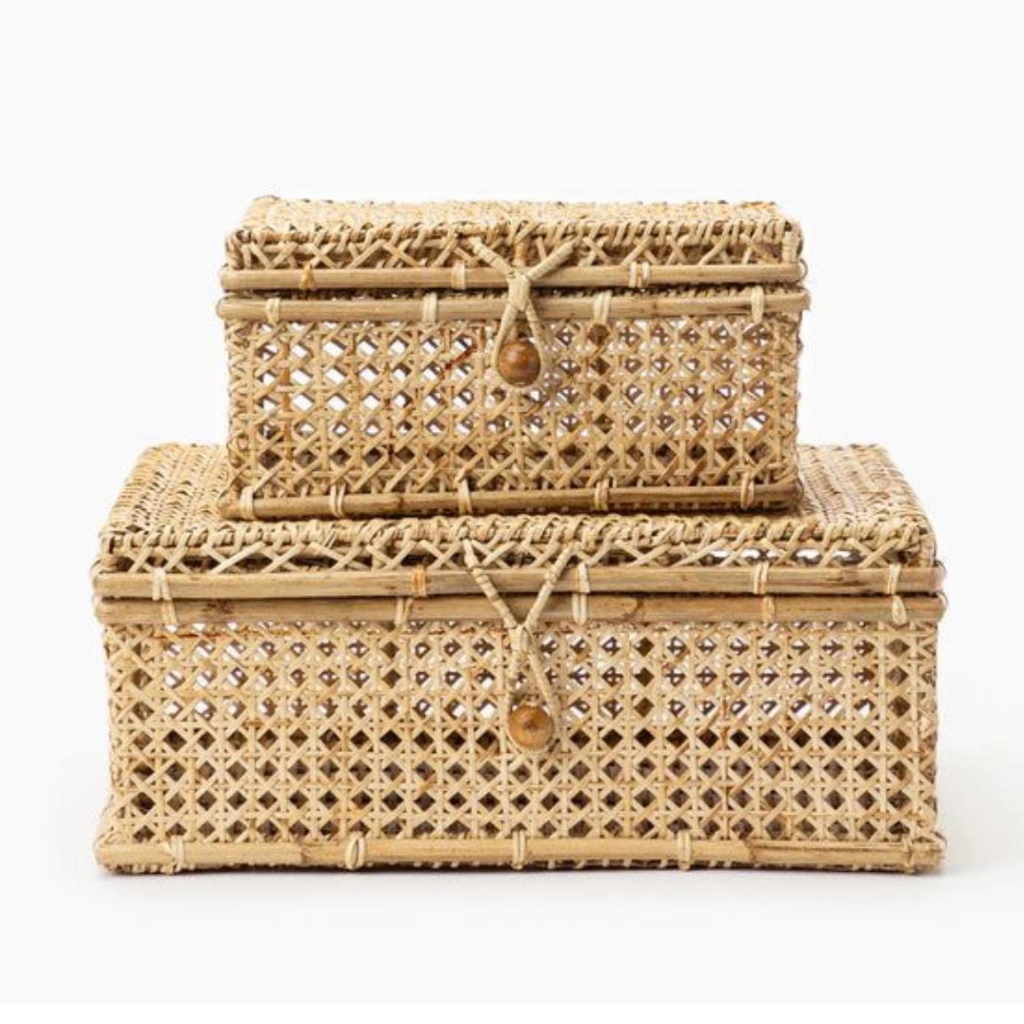
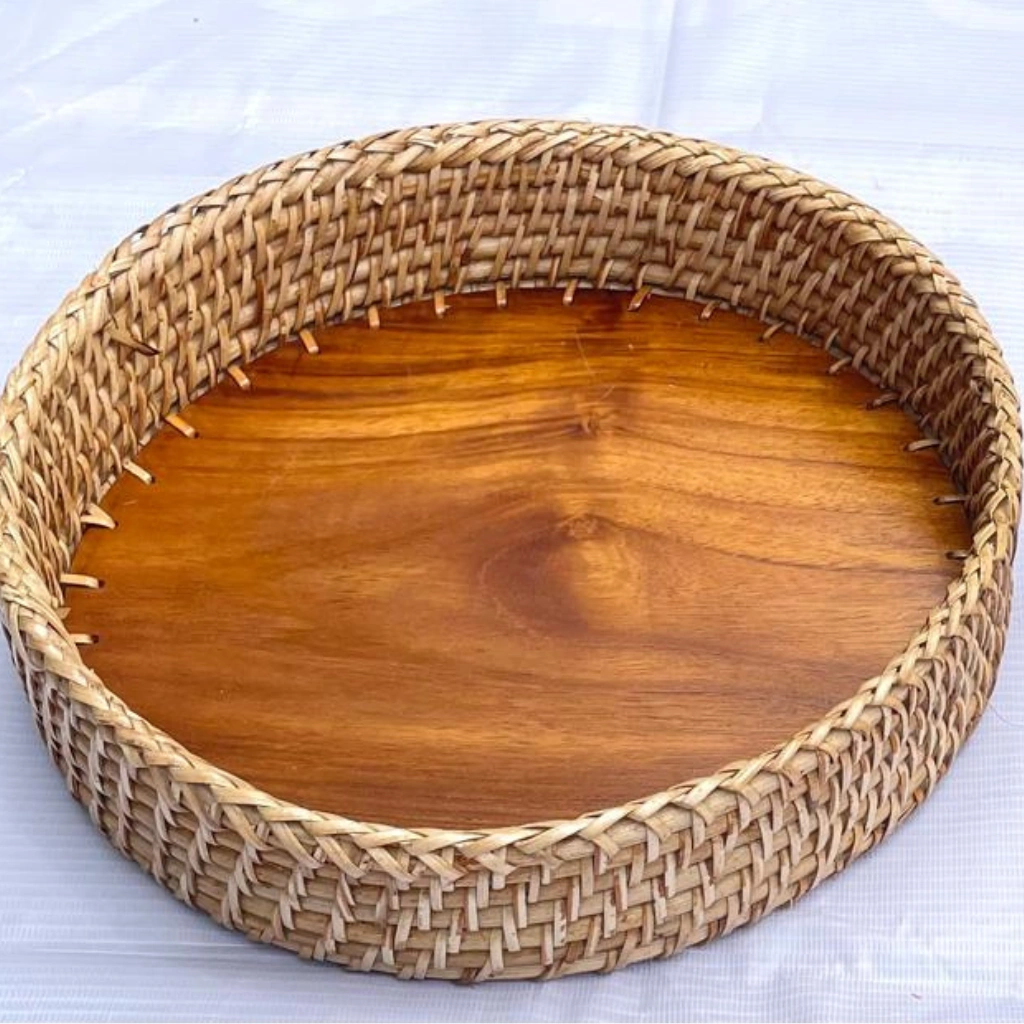
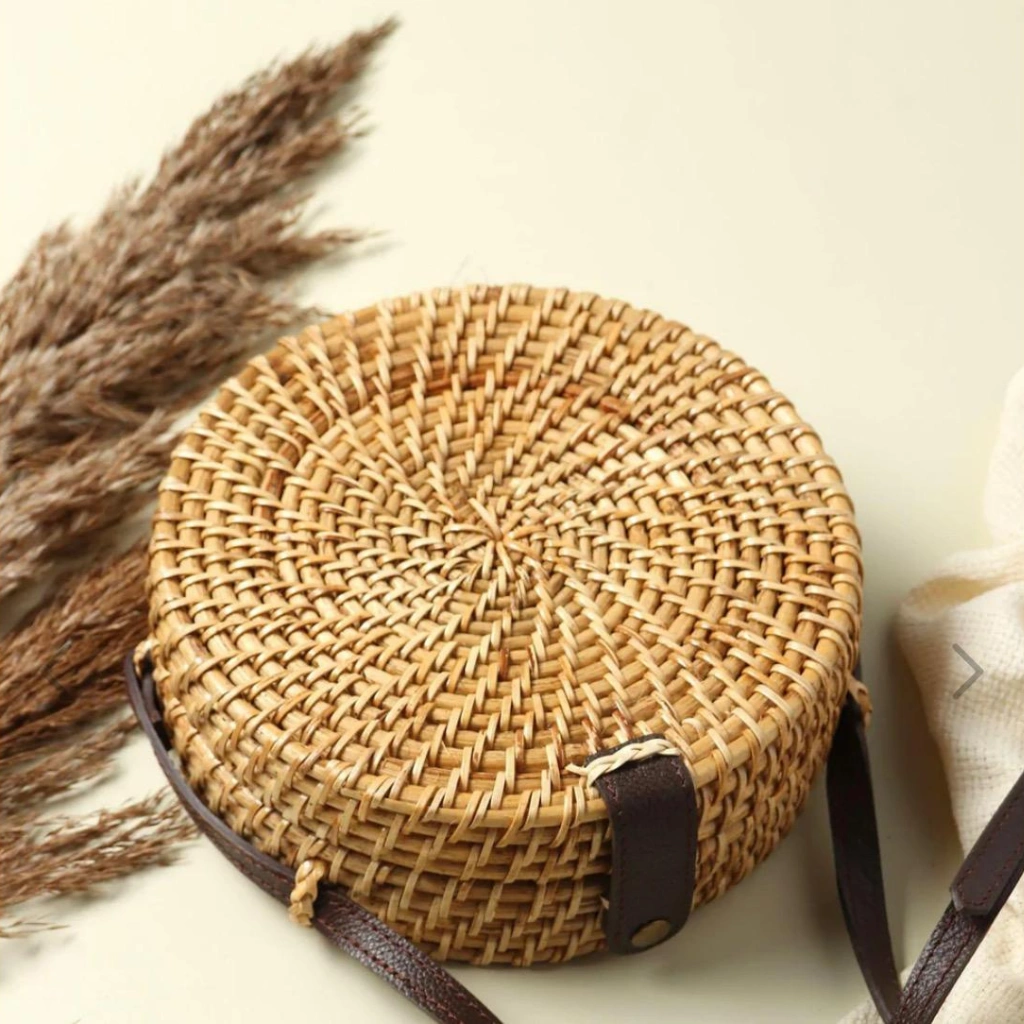
Around 1,000 artisans in his area were trained and empowered to pursue handicraft manufacturing as a livelihood.
That part of Santanu’s journey matters because handicrafts are ultimately not about products alone. They are about people whose skills often come from family and community traditions.
When those skills generate a sustainable livelihood, traditional knowledge acquires an economic future.
For an entrepreneur working in this sector, the success of the business therefore depends to a considerable extent on the strength of the artisan ecosystem around it.
The US Market Arrived Late
Santanu entered the US market relatively late compared with some of the other international markets he had already explored.
Yet it eventually became his biggest export market.
His experience in the United States also offered an important commercial lesson. Margins may be lower in some segments, but the scale of demand can compensate through volume.
For an exporter, a market capable of generating large and repeat orders can therefore become more valuable over time than a market where each individual product carries a higher margin but volumes remain limited.
By then, Santanu had accumulated more than two decades of experience in understanding how different international markets behave.
That experience also changed the question he was asking.
It was no longer simply, “Can we export Northeast India’s handicrafts?”
He had already demonstrated that the answer could be yes.
The more difficult question was: “How much value can the Northeast capture from what it produces?”
Breaking Out of the Commodity Trap
This is where Santanu’s concerns extend beyond his own business.
He believes Northeast India needs to look at its handicrafts sector much more professionally and move beyond what he describes as a commodity trap.
The region has abundant natural resources, including cane and bamboo, along with traditional skills that have evolved over generations. But Santanu argues that resources alone do not create global competitiveness.
The difference lies in what happens around the resource.
Other Asian countries have developed stronger value chains that connect raw materials with processing, product development, design, finishing, quality control, manufacturing and international markets. These systems allow producers to compete on the characteristics that global buyers increasingly demand rather than simply on the availability of raw materials.
For Northeast India, the challenge is therefore not merely to produce more.
It is to create more value before the product leaves the region.
That requires a shift in mindset — from seeing handicrafts primarily as traditional products to recognising them as part of a potential global manufacturing and design economy.
The Resource Cannot Be an Afterthought
Santanu’s concern goes even deeper.
If cane and bamboo are important foundations of the region’s handicraft economy, then the availability and regeneration of those resources cannot be treated as secondary issues.
An industry cannot build a long-term export strategy around resources that are being depleted without a corresponding effort to cultivate them.
That is why Santanu believes the Northeast should seriously consider organised cane farming.
If local expertise is inadequate, he suggests that the region should be willing to learn from countries such as Vietnam and Indonesia and, where appropriate, bring in experienced farmers and technical expertise.
The objective would be to develop a dependable raw-material base rather than continue relying primarily on naturally available resources.
For Santanu, the principle is straightforward: if handicrafts are to become a serious industry, the raw-material ecosystem must become serious as well.
The Export Market Is Asking a New Question
There is another change taking place in international trade that Santanu believes the Northeast needs to prepare for.
Increasingly, international buyers want to understand the origin of products and the journey they make through the supply chain.
Where did the raw material come from?
Who produced the product?
Where was it processed?
Can its origin be verified?
Can the supply chain be documented?
For Northeast India, this emerging emphasis on provenance and traceability could present both a challenge and an opportunity.
The region possesses strong geographical and cultural identities. A cane product from the Barak Valley, for example, can potentially carry a story of material, place, artisan and tradition that a generic mass-produced product cannot easily replicate.
But telling that story will not be enough.
The region will increasingly need the ability to prove the story.
That means building systems for documenting origin, production and movement through the value chain. It means connecting traditional craftsmanship with modern systems of quality, certification, traceability and market access.
The question Santanu raises is therefore timely:
Is Northeast India ready for the traceability requirements of the next generation of export markets?
A New Chapter at NEHHDC
In 2026, Santanu’s journey took another unexpected turn.
He was nominated as a Non-Official Director on the Board of NEHHDC, an organisation directly involved in the development and marketing of the Northeast’s handloom and handicrafts sector.
His tenure is for three years.
For Santanu, the appointment is an opportunity to contribute to a sector he has spent most of his working life understanding from the ground up.
He says he hopes to give back to the region whatever knowledge and experience he has gained during his 27-year journey as a handicrafts entrepreneur and exporter.
It is an interesting form of public service for someone whose professional life began with a civil-services dream.
He did not become the civil servant he once imagined himself becoming.
Instead, he became an entrepreneur who learnt about the Northeast by trying to sell its craftsmanship to the world.
Now he has an opportunity to bring those lessons into an institution whose work is directly connected with the same sector.
What Comes Next for Northeast Handicrafts?
Santanu’s story ultimately raises a question larger than his own business.
The Northeast does not lack resources. It does not lack traditional skills. It does not lack distinctive cultural identities or products that can attract international attention.
The challenge is to connect those strengths into competitive, sustainable and globally credible value chains.
That means investing in the people who make the products, but also in the systems around them. It means better raw-material cultivation, product development, design, quality, finishing, logistics and branding. It means understanding international buyers and preparing for increasingly demanding requirements around provenance and traceability.
Most importantly, it means changing the economic question.
Instead of asking only what the Northeast can sell, perhaps the region needs to ask what more it can create before it sells.
That is a question Santanu has been answering through his own life for 27 years.
Life did not follow the script Santanu had written for himself. It crafted a different story.
Perhaps the next chapter of that story will be about helping the Northeast craft one of its own — a story in which its cane, bamboo, craftsmanship and traditional knowledge are not merely resources to be sold, but foundations for creating globally competitive value within the region itself.