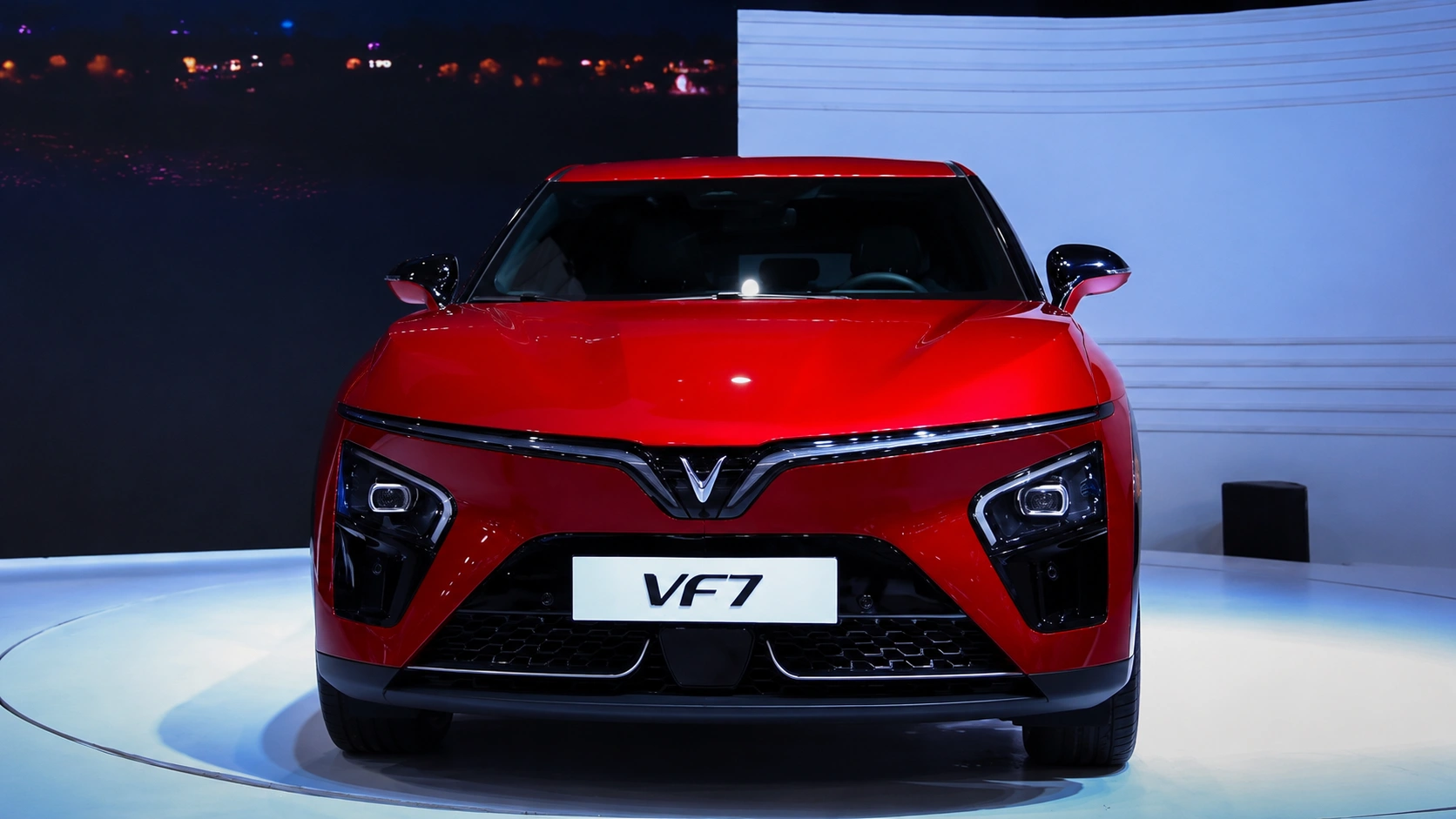
The Rolling Showroom Strategy: How VinFast’s Green SM Could Rewrite India’s EV Mobility Playbook
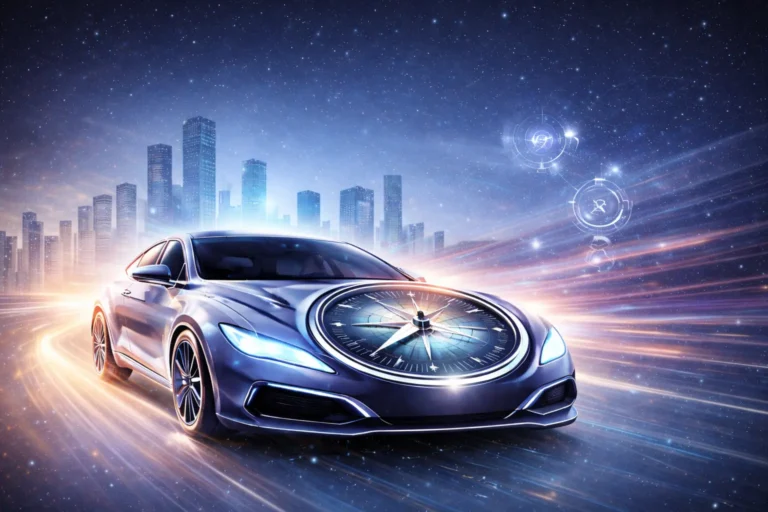
There is a good chance that the next major automobile showroom in India may not be made of glass and steel.
It may not stand beside a highway or inside a commercial district.
It may be moving quietly through Delhi traffic.
Imagine stepping out of an airport after a long flight. A ride arrives. The cabin is quieter than expected. The interiors feel deliberate. During the journey, curiosity begins to replace routine.
How far does this EV go? How expensive is charging? Is maintenance difficult?
Without realizing it, the passenger is no longer merely travelling. The passenger is experiencing a live product demonstration.
That possibility sits at the centre of an emerging mobility strategy associated with VinFast and Green SM.
India’s ride-hailing ecosystem has largely been built on an asset-light model in which drivers bring their own vehicles and digital platforms coordinate bookings and payments. The model scaled rapidly across companies such as Ola and Uber, but it also exposed fault lines—driver dissatisfaction, inconsistent service quality, and questions about long-term sustainability.
Electric mobility has introduced a new layer to that conversation.
Unlike petrol vehicles, EVs demand trust before adoption. Consumers worry about charging, battery replacement, maintenance and resale value. Traditional advertising often struggles to answer these anxieties.https://thequantiq.com/why-indian-cities-cannot-solve-traffic-without-rethinking-mobility/
Experience does.
This is where the idea of the rolling showroom becomes strategically interesting.
Rather than waiting for consumers to visit dealerships, the dealership visits consumers.
The ride becomes familiarity. Familiarity builds trust. Trust may eventually become purchase intent.
VinFast’s growing India ambitions and Green SM’s fleet-oriented mobility approach have therefore attracted attention not simply because they represent another taxi platform, but because they may represent a different mobility philosophy.
Unlike traditional aggregators, vertically integrated fleets seek greater control over vehicles, service quality and customer experience. That creates potential advantages—predictable branding, trained drivers and standardized experiences—but also introduces significant capital exposure.
Fleet ownership is expensive.
Vehicles depreciate. Charging infrastructure requires investment. Maintenance, insurance and operations consume capital continuously.
This is why mobility economics remain difficult.
Yet integrated fleets offer something conventional marketing cannot easily replicate—immersive customer exposure.
A thirty-minute ride can sometimes educate more effectively than a thirty-second advertisement.
Passengers observe battery interfaces, cabin quietness, acceleration and design. They ask questions. They compare.
For an emerging EV brand entering India, this form of exposure may be commercially valuable.
But the model is not free from criticism.
Whenever manufacturing ecosystems and mobility ecosystems intersect closely, observers ask difficult questions.
Is fleet deployment creating authentic consumer demand or internally supported demand?
Supporters see strategic ecosystem-building. Critics see concentration risk.
The truth may ultimately depend on transparency, execution and economics.
India may become the testing ground.
The country offers both opportunity and difficulty. Consumers are aspirational yet price-sensitive. Infrastructure is improving yet uneven. Competition is intense.
This makes the Green SM proposition fascinating.
Because the question is no longer simply whether people will ride in EV taxis.
Many already do.
The question is whether mobility itself can become customer-acquisition infrastructure.
And whether the future automobile showroom may no longer require walls.
The larger story extends beyond one company.
Mobility is increasingly becoming ecosystem competition.
Automakers are behaving like software companies. Mobility firms are exploring finance, charging, and data ecosystems. Vehicles are becoming connected platforms rather than isolated products.
Seen through this lens, the streets of India may soon become something more than transport corridors.
They may become marketplaces where ecosystems compete for trust, data and behaviour.
Whether Green SM succeeds or struggles, the rolling showroom idea has already raised an important question for the mobility industry:
What if the journey itself becomes the sales pitch?https://thequantiq.com/india-ev-market-q1-2026-analysis/
FAQ
- What is Green SM? Green SM is a mobility company associated with the VinFast ecosystem focused on electric transport services.
- How is it different from Ola or Uber? It is linked to a more vertically integrated fleet ownership approach.
- What is a rolling showroom? A mobility fleet that doubles as a live consumer experience and marketing channel.
AI Transparency Note
This article was developed with AI-assisted research and drafting support and edited in line with The Quantiq’s editorial standards.